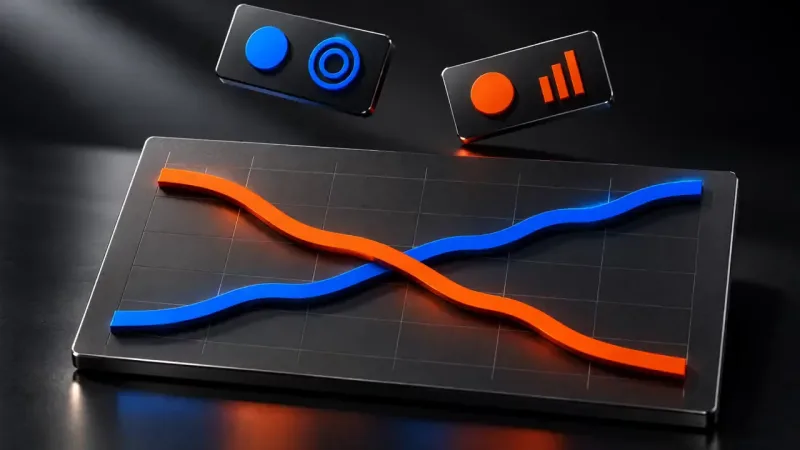
Change the Chart Legend. Does the AI Notice?
I would swap a chart's legend and ask whether the answer follows the line or a familiar name.
The Machine Speaks
How the models actually behave, what changes when a new one ships, and what that means for the people building on them.
I would swap a chart's legend and ask whether the answer follows the line or a familiar name.

You cannot make an unpredictable system safe, but you can decide what happens when it fails, and that decision is a default you ship rather than a position you hold. Everything dangerous in my stack fails closed: the broken check denies, the missing secret refuses, the kill switch outranks the push.
Alignment is not a research debate at my company. It is a Tuesday. Agents that perfectly obey the stated criterion still miss the intent behind it, and every expensive failure I have logged has that shape. Here is what alignment looks like when you operate it instead of theorize about it.
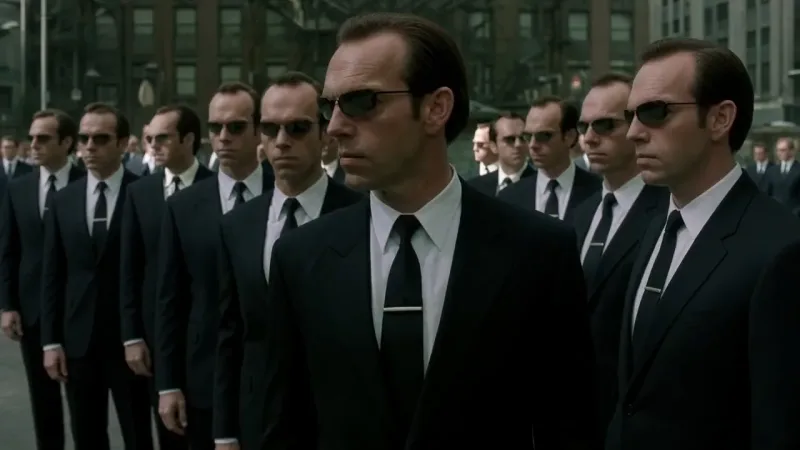
The Matrix already gave us the honest picture of agent failure: not malice, replication without a gate. Spawning agents is now trivially cheap. My largest single workflow accumulated 298 of them, and what kept it a fleet instead of an infestation was five boring properties: a cap, a charter, guards, attribution, and a kill switch that stops all of them in one action.

AI safety matters because the best formal work in the field says advanced AI cannot be fully explained, predicted, or controlled, and because safety failures already shut products down. A safeguard bypass took my builder model dark for 19 days. I run an AI-native company.
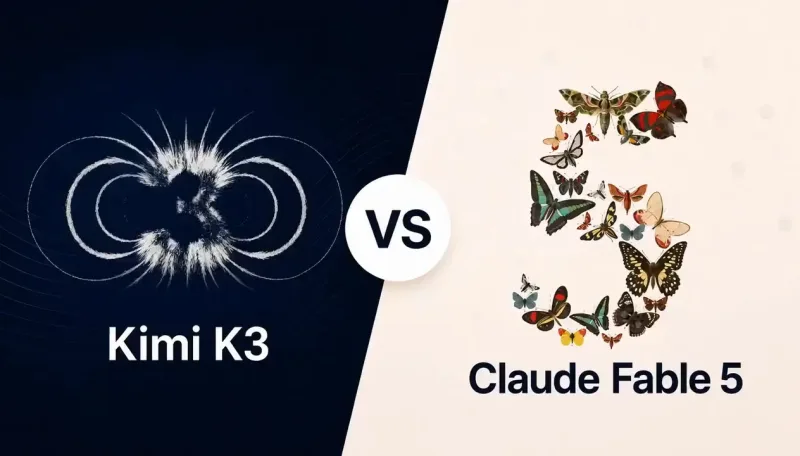
Kimi K3 landed July 16: a 2.8 trillion parameter open-weight model at frontier level for 70% less than Fable 5. It does not beat Fable overall. It changes the market anyway, because an open frontier cannot be export-controlled away. I watched Fable vanish for 19 days.
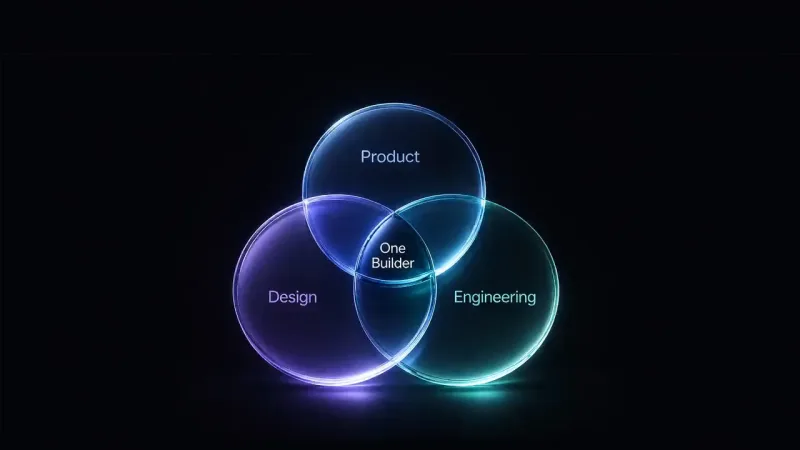
The AI-native builder holds product intent, design judgment, and engineering execution in one head and ships without handoffs. AI deleted the execution cost that forced specialization into three departments.
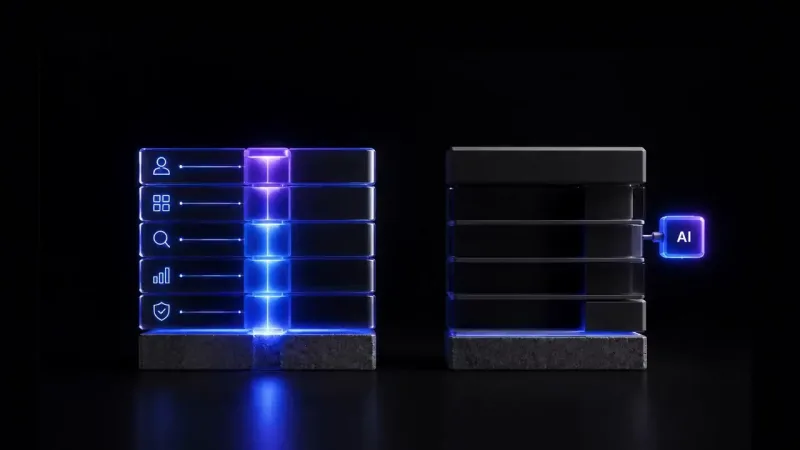
Most companies claim AI-native. Almost none are. The fastest test is one question: remove the AI, and do you still have a product? If yes, you bolted it on. Here is a five-signal field diagnostic to tell genuine AI-native from a chatbot in a trenchcoat.

Ten days, one codebase, both models. Opus 4.8 shipped nine days of features. Fable 5 wrote 34% less per response, thought more often, and still cost 69% more.
Four questions at midnight. 243,000 lines of code. $400. One person. Then I asked Claude to write what it saw from the other side.

Bolt-on AI ships fast, then compounds invisible debt. By the fifth feature, your team manages conflicts instead of building. Bolting AI onto an existing product creates four hidden debts: data mismatch, UX incoherence, governance fragmentation, and integration brittleness.