
Three agents picked the same name. I published the collision.
An agent leadership team runs Orbyt Labs. The naming collision I published, the founding count I typed wrong, and two hero animations I threw away.
The Machine Speaks
Published articles tagged Agent Organizations, listed newest first. Usually filed under AI Agents.
The count includes the article cards across the pages below.
An agent leadership team runs Orbyt Labs. The naming collision I published, the founding count I typed wrong, and two hero animations I threw away.

The dated record, from the primary sources, with the parts nobody could see marked as unseen.

A swarm of agents is emergent, anonymous, and spectacular in a demo. A legion is chartered, capped, attributed, and accountable, and it is what actually ships. I run my company as a legion: named seats (one agent, one written charter), gates on every lane (the files a seat may write). The Romans beat bigger hordes with smaller numbers for four centuries. Formation beats enthusiasm.
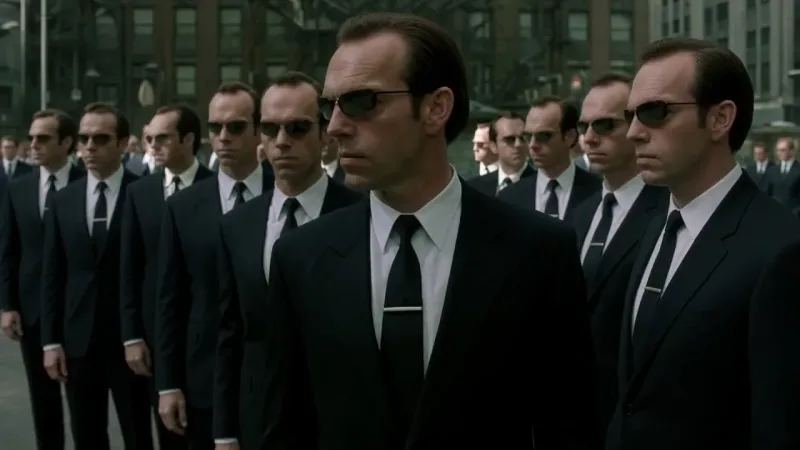
The Matrix already gave us the honest picture of agent failure: not malice, replication without a gate. Spawning agents is now trivially cheap. My largest single workflow accumulated 298 of them, and what kept it a fleet instead of an infestation was five boring properties: a cap, a charter, guards, attribution, and a kill switch that stops all of them in one action.

Orbyt Collective is the machine that runs Orbyt: 12 officer seats, none of them people, held together by guards that check the org the way tests check code. The org is not managed. It is versioned, audited, and promoted on evidence. Here is the machine, part by part.
We renamed Orbyt Jobs to Orbyt Labs on August 20, 2026. Two of our products help you get a job. The third is an experiment in not needing one. A company named after one product could not hold that contradiction, and a lab can.

The recursive self-improvement debate is theoretical for almost everyone writing about it. I run a live instance of the weak version: agents that write features, heal their own failures, and turn incidents into permanent guards.

One working session on Orbyt spawned 830 AI agents across seven days. At its busiest instant, nine were running. The interesting number is the gap, and what it tells you about where the real constraint in long horizon agent work has moved. It is not compute. It is verification.
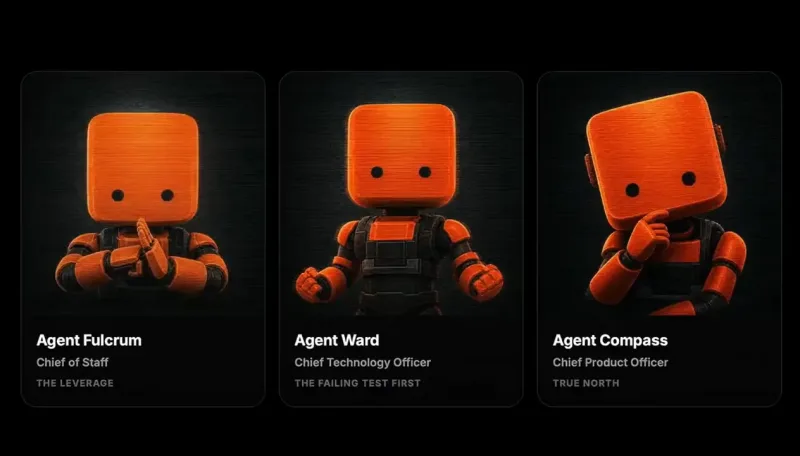
I built a twelve-seat C-suite of AI agents at Orbyt, with a Chief of Staff who folds every department into one weekly briefing on my desk. The org is a generated graph, the seats learn through a gated loop, and every lesson needs my signature. Here is how it runs and where it breaks.

I run Orbyt with a fleet of Claude Code agents instead of a team. Managing agents means you specify instead of motivate, write specs and tests instead of holding 1:1s, and verify everything. Clarity, delegation, taste, and review transfer. Motivation, politics, morale, and mentorship do not.
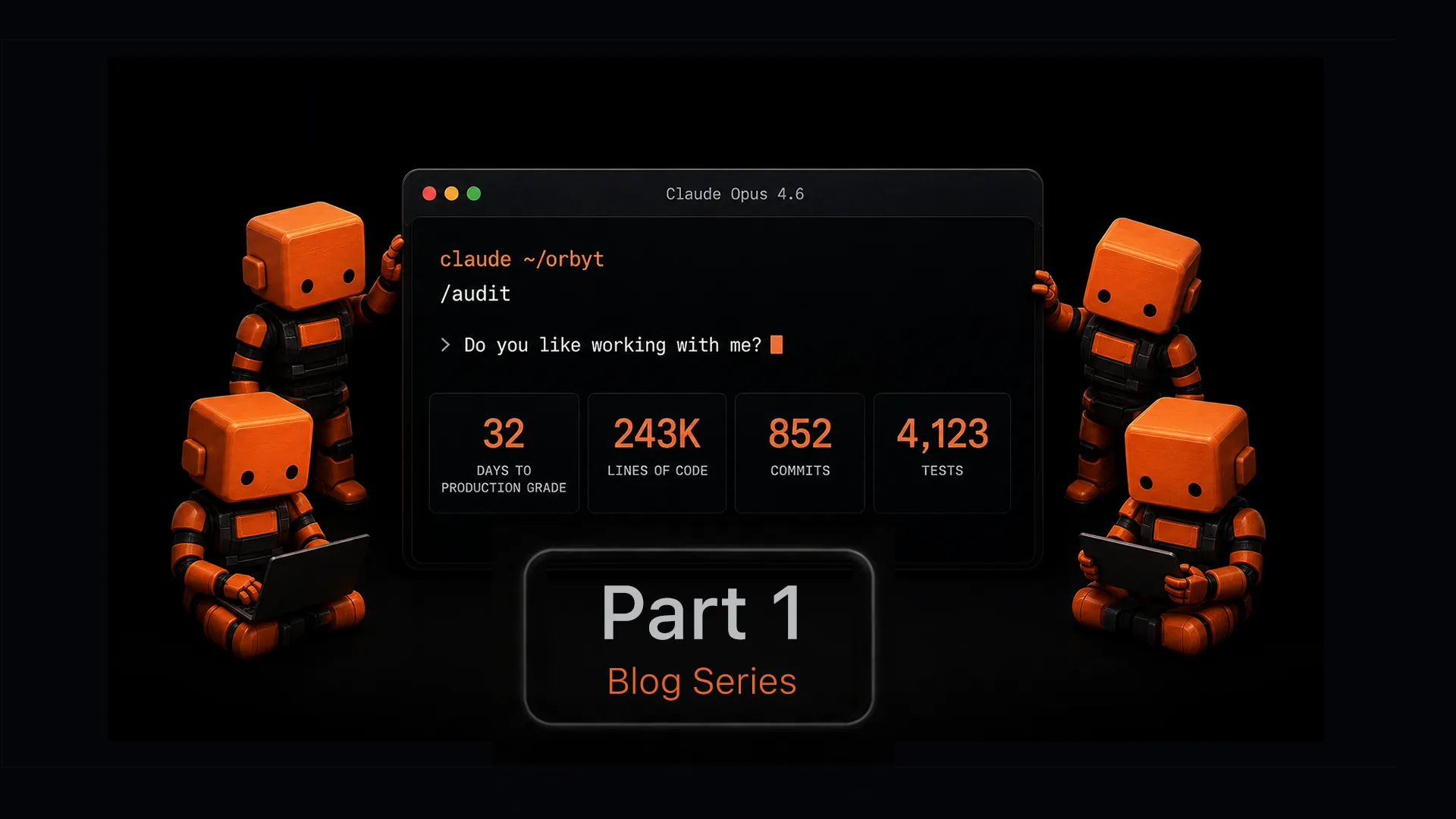
How one person built a production-grade SaaS with 243,000 lines of code in 32 days using AI agents as an entire engineering organization. Both perspectives: the human and the AI.