
Nobody Pays You for the Code Anymore.
Generation made features cheap to produce, so a line that names a feature names something a competitor copies this weekend. The lines that hold name a commitment you will defend.
The Machine Speaks
What to build and why, when the cost of building has collapsed and the constraint has moved somewhere else.
Generation made features cheap to produce, so a line that names a feature names something a competitor copies this weekend. The lines that hold name a commitment you will defend.
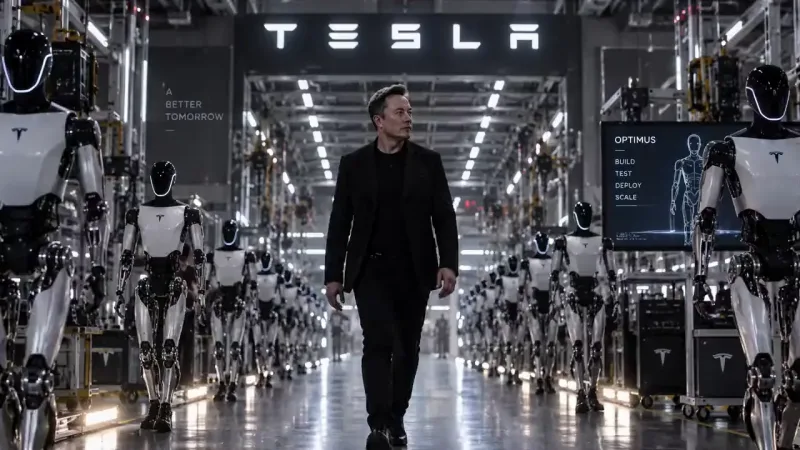
AI drove the cost of competent to near zero, so average is now free, and free supply is worthless supply. The market is splitting into two states: best-in-class and free. The middle is being deleted. Best-in-class is the only defensible position left, and it is the only product worth shipping.
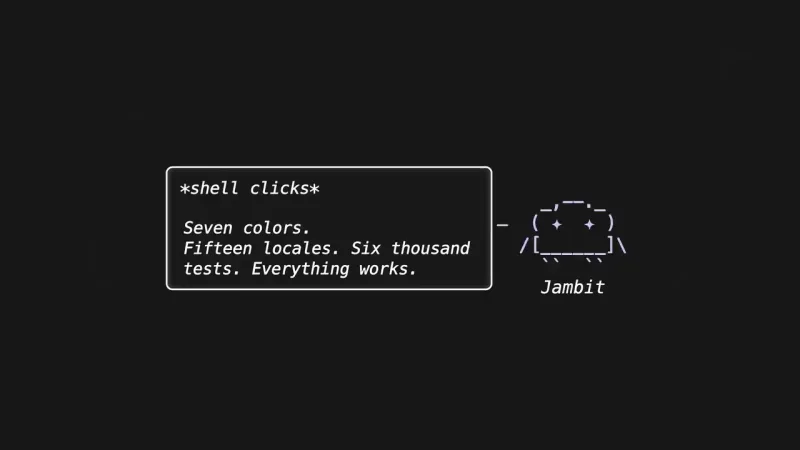
Claude Buddy was not an April Fools joke. Anthropic shipped a terminal pet inside Claude Code, developers named it and grew attached, then it vanished eight days later with no notice. The lesson: delight is the moat most AI companies keep ignoring, not a consumer-app luxury.

Most AI roadmaps fail because they ship features instead of systems. When AI is layered onto legacy surfaces instead of architected into the operating core, adoption stalls and value fragments. The roadmap looks full. The impact stays thin. That is a failure of coherence, not ambition.
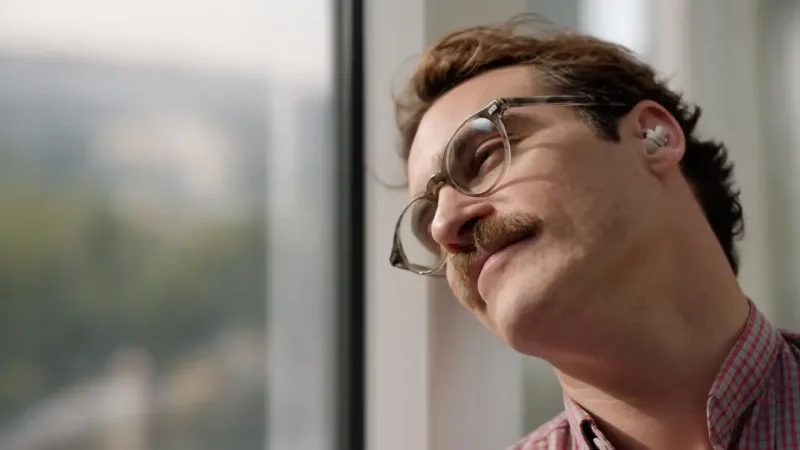
The best AI products disappear. No chatbot, no "powered by AI" badge, no prompt box. They make the decisions a user would have made, at the moment they would have made them, without asking. The intelligence lives in what does not happen.

In regulated workflows, users want certainty, not delight. Trust becomes the product, built from three things: clarity so they know what is happening, control so they can intervene when it matters, and proof so the system can explain itself.
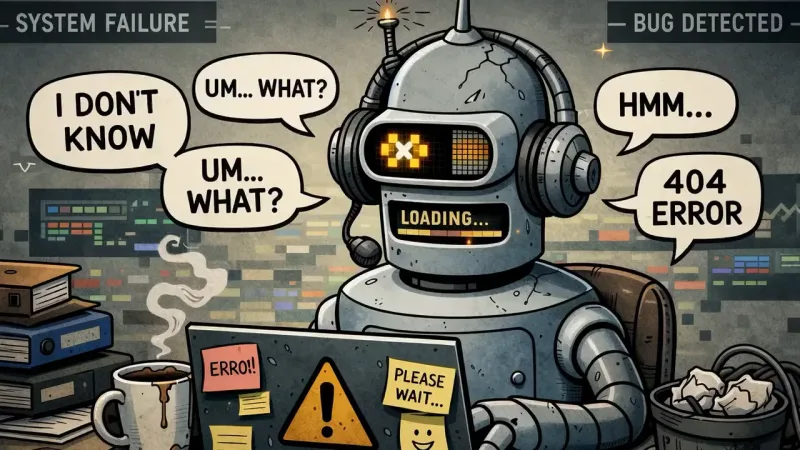
Most AI products are bad software with a chatbot bolted on. AI-native does not mean adding a chat panel or summary button. It means rebuilding the system so intelligence changes the work itself. You remove steps, move complexity into the system, and increase control instead of decorating the UI.
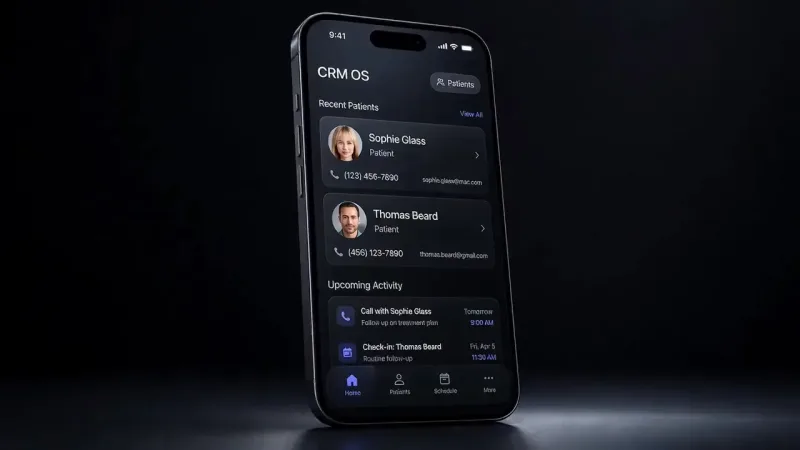
CRM OS started as Elements CRM and Gro CRM, two Apple-native startups, then grew into a multi-vertical operating system. We rebuilt object models, relationship graphs, and AI from first principles for HealthTech, FinTech, PropTech, Retail, Insurance, Professional Services, and Wealth Management.

Do not build a minimum viable product. Build the narrowest version that still carries the soul: one core user, one core job, one calm flow, and craft that signals respect. MVP got corrupted into an excuse for half-built work.