The Expert Never Wrote That Down.
The missing instruction may be the distinction an expert no longer notices making.
The Machine Speaks
Leading an AI native company. Managing agents rather than headcount, what a Chief AI Officer actually does, and where the human judgment still has to sit.
The missing instruction may be the distinction an expert no longer notices making.

Who is expendable now that we have AI agents is the wrong question wearing an urgent voice. Agents make tasks expendable, not people, and a role is a bundle of tasks around a core of ownership. The real instrument is a seat audit: what does each seat own that a gate cannot verify, versus merely relay?

Every company now runs two org charts: the human one in the HRIS, and the agent one scattered across configs, prompts, permissions, and scheduled jobs. Only the first one is usually led. The leadership playbook survives the shift, but every piece of it must now be written down, because half your workforce only reads.

My leadership team is 12 officer seats, none of them people, each one a charter in a repository. Staffing takes an afternoon and costs nothing. That sounds like a hiring story, and it is not. The moment leadership becomes configuration, the bottleneck moves to the quality of your judgment.

I have no roadmap that predicted this company. I have three published append-only records holding 66 documented failures, 45 numbered decisions and 65 agent runs, all under a licence anyone can cite. 42 of the failures name a countermeasure by file path. The interesting part is what the records will not claim.

Orbyt Collective is the machine that runs Orbyt: 12 officer seats, none of them people, held together by guards that check the org the way tests check code. The org is not managed. It is versioned, audited, and promoted on evidence. Here is the machine, part by part.
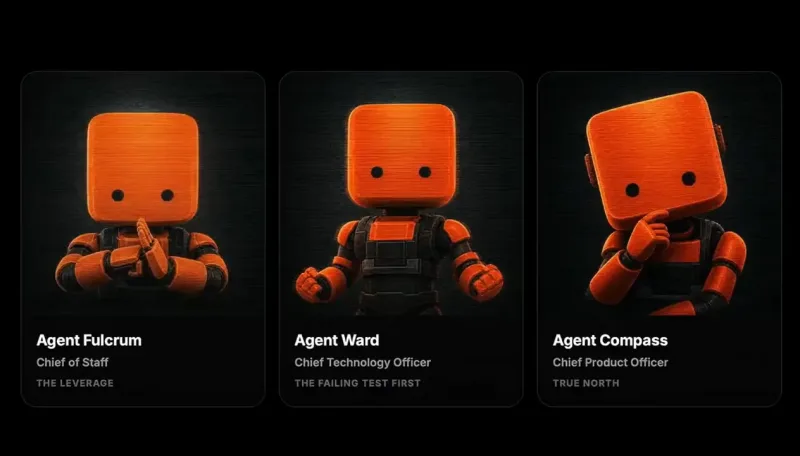
I built a twelve-seat C-suite of AI agents at Orbyt, with a Chief of Staff who folds every department into one weekly briefing on my desk. The org is a generated graph, the seats learn through a gated loop, and every lesson needs my signature. Here is how it runs and where it breaks.
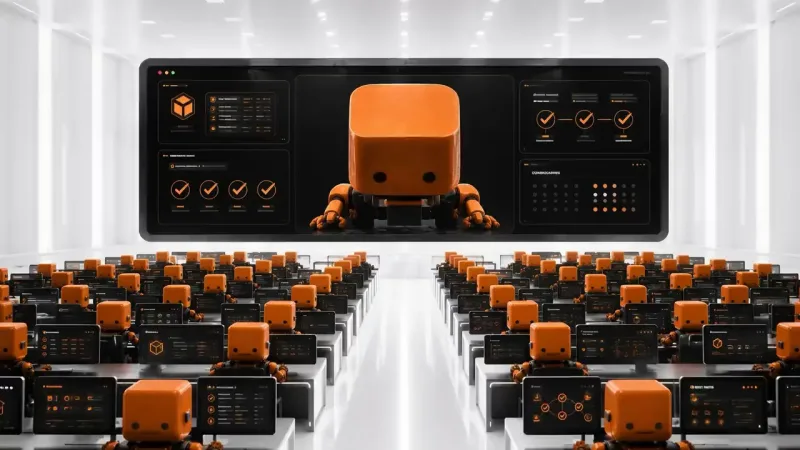
I run Orbyt with a fleet of Claude Code agents instead of a team. Managing agents means you specify instead of motivate, write specs and tests instead of holding 1:1s, and verify everything. Clarity, delegation, taste, and review transfer. Motivation, politics, morale, and mentorship do not.

In 2026 the Chief AI Officer is not a technical hire. It is one leader who holds three chairs that used to belong to three people: the Chief Product Officer, the Chief Technology Officer, and the Chief Design Officer.

AI collapsed the cost of execution, not the cost of knowing what to build or what good looks like. Twenty years of scar tissue plus AI beats a new grad with AI every time. Your domain expertise, taste, and judgment are not legacy. They are your highest-leverage AI multiplier.

A team ships exactly as good as the worst work its leader signs off on, not the bar announced at kickoff. Quality is not a talent problem, it is a tolerance problem. Standards erode through small compromises nobody sends back. Best-in-class is the residue of a leader willing to be the friction.

Most companies did not hire an AI Product Manager. They hired a traditional PM and added "AI experience" to the job description. That is the old role with a buzzword. The real AI PM governs probabilistic systems, designs boundaries instead of scope, and earns trust from zero.

Bolt-on AI adds features. AI-native rebuilds the foundation. When intelligence is the substrate, the entire product adapts to the user.
AI adoption is not a product decision. It is organizational. Bolting AI onto features changes nothing. Reorganizing around intelligence changes everything.
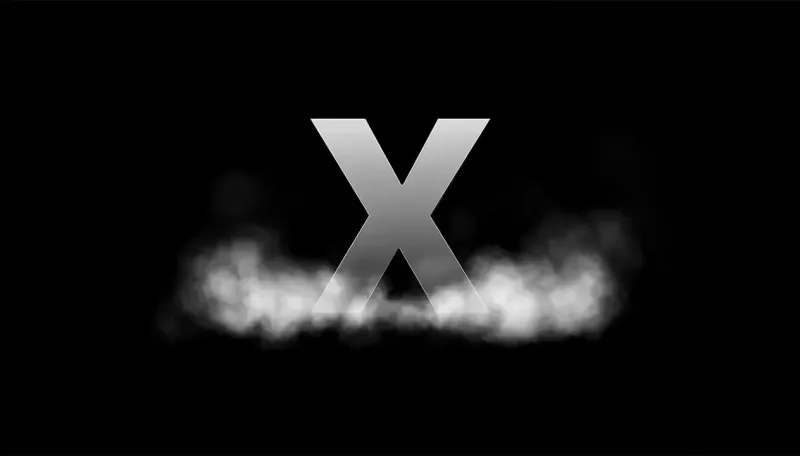
An X-shaped leader holds real depth in more than one craft and integrates them into one system. Technology, product, design, marketing, and strategy connect instead of sitting in silos.

Great products start with a point of view, a belief about how the world should work. It is taste with conviction and clarity with standards. A point of view turns a thousand competing inputs into one coherent experience. Without it, products bloat. With it, they feel inevitable.

Leadership is the new bottleneck. AI collapsed the cost of building, so engineering no longer constrains ambition. The scarce inputs are now judgment, taste, and clarity. When iteration costs nothing, hesitation becomes the most expensive decision a company can make.

Bold product design demands disobedience because the best products refuse to accept the present as the best we can do. Obedience wins approval but never builds the future. Question the roadmap, ignore the loudest stakeholder, and pursue what has no metrics, validation, or permission yet.
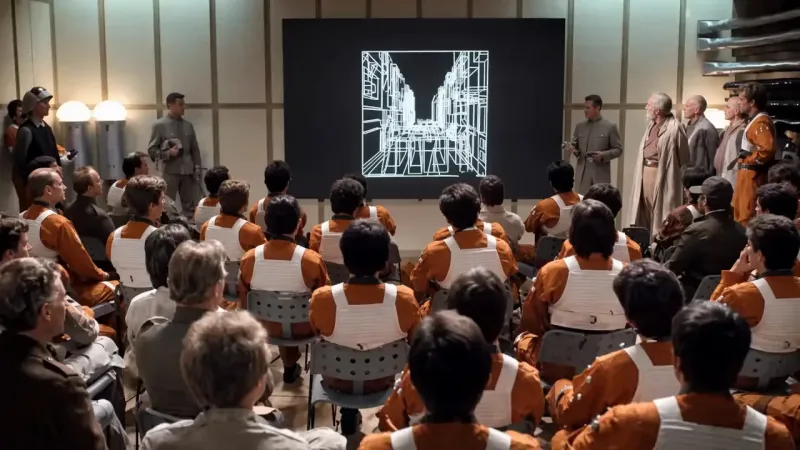
Innovation depends on rebels, the people who refuse to wait for permission and challenge what everyone else tolerates. Progress is born from tension, not agreement. A team that never disagrees is asleep. The best leaders do not suppress dissent.
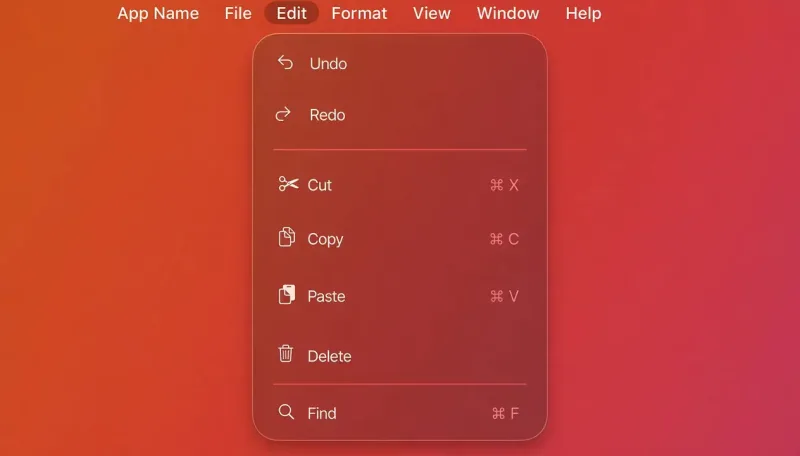
Small design details matter because users are perceptive. They feel what is off before they can name it, and in that first moment trust forms or fades. Micro interactions, alignment, spacing, and speed all become signals. Details are not the polish at the end. They are the product itself.

Design is what turns powerful technology into products people choose instead of tolerate. Technology supplies the capability. Design makes that capability feel human, simple, and inevitable. The products we remember are not the ones that merely worked.
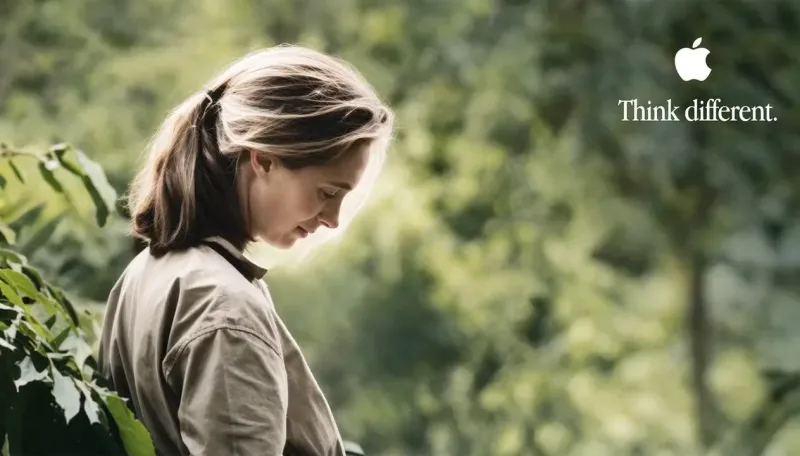
Designers who think different redefine the problem worth solving instead of just solving it. They chase truth, not trends.

A world-class product design team is designed, not assembled. Hire for mindset over raw skill, protect psychological safety, define clarity instead of control, invest in collaboration, and lead by example. Scale process that protects quality without becoming bureaucracy.

Innovation comes from misfits, the restless people who refuse to settle. Most companies sideline them, label them difficult, and manage them into silence. That is how a company stops evolving without noticing. Protect the rebels in your decisions, not your values deck.
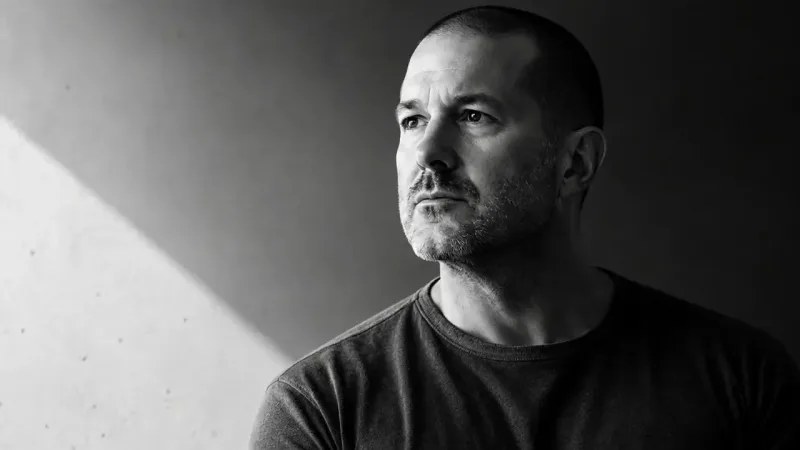
A Chief Design Officer is not a luxury. It is a multiplier most startups hire too late. A CDO directs rather than decorates, defining the experience thesis before the roadmap calcifies and making taste a standard.
In UX there is no neutral. Every design decision shapes behavior, values, and trust, so ethics cannot be a feature you add later. Responsible UX rests on five things: transparency, privacy by design, accessibility, no dark patterns, and accountability at scale. Design leadership is moral leadership.
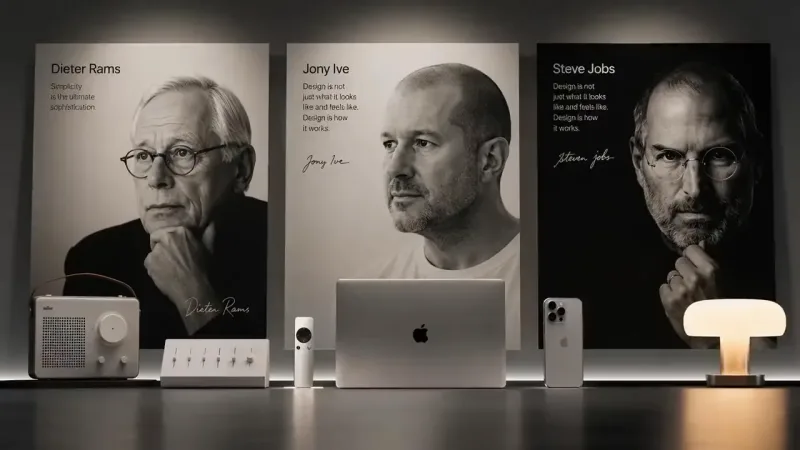
Dieter Rams, Jony Ive, and Steve Jobs shared three truths: simplicity is the discipline of removing, not adding; design is empathy made visible; and great work connects function to emotion. Function earns adoption, emotion earns loyalty.