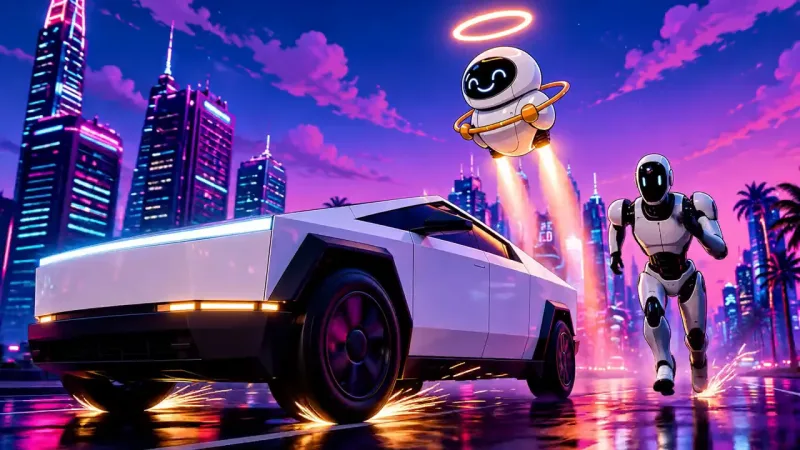
I Wrote a Loop That Could Run Forever.
A build loop with a 9 out of 10 quality gate and a backlog that never shrinks has no fixed point. How Offer City got built, and what bounded it.
The Machine Speaks
Judgment as the scarce input. What design means when generation is free and the differentiator is knowing what to keep.
A build loop with a 9 out of 10 quality gate and a backlog that never shrinks has no fixed point. How Offer City got built, and what bounded it.
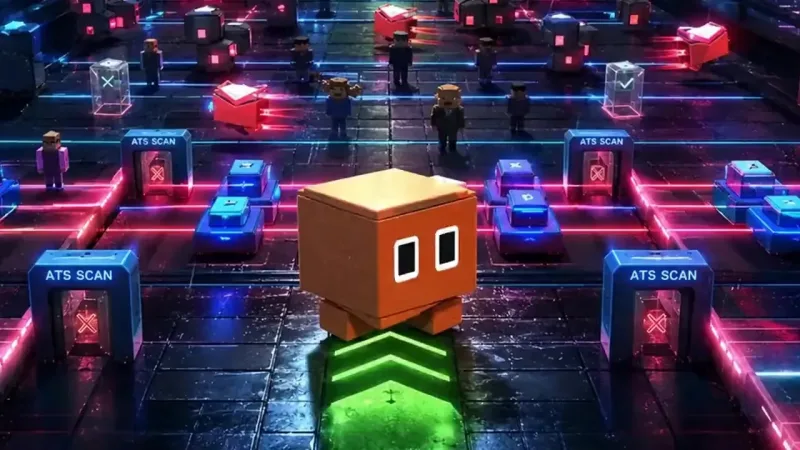
I moved all of my design work into AI and code and am not going back.
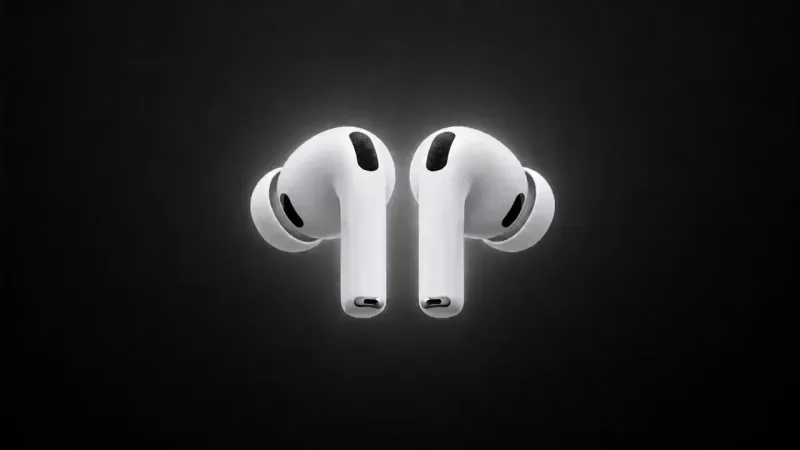
Simple is the most expensive thing you can build, not the cheapest. Every clean surface is paid for in decisions someone refused to pass to the user. AI made adding nearly free, so the discipline to subtract now costs more than ever. Simple is a leadership cost, not a taste.
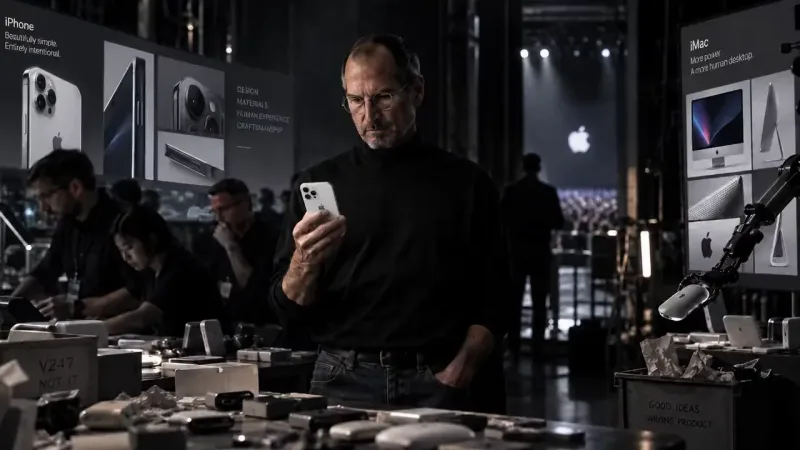
AI collapsed the cost of writing code. It did not collapse the cost of knowing what to build. 20 years of scar tissue is the longest fulcrum in the room.
I replaced Figma, Sketch, and Adobe with Claude Code for every UI and UX decision. Design now happens directly in the codebase, with no mockups, no handoff, and no translation layer. AI-native design has arrived, design systems are optional, and traditional design tooling is dead. Taste survives.
Taste becomes the only competitive advantage. Within eighteen months, every team has the same AI models, APIs, and infrastructure. Capability converges to commodity. When that happens, the experience is the sole differentiator, and the experience is shaped by taste.
Most AI products are capable. That is precisely the problem. Taste is what turns capability into something people trust.
Small teams build better products because trust replaces process. A handful of people who share one taste and one bar move faster than any org chart. Less coordination, less ceremony, more making. Every decision has a real owner. The magic is chemistry, not headcount.
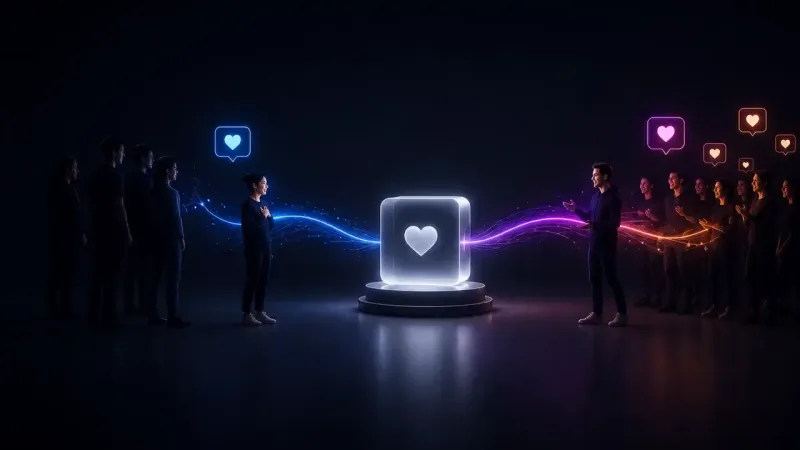
Customers become evangelists because of how a product makes them feel, not because of features. When the experience is calm, obvious, and respectful of their time, users start behaving like believers. They share it, defend it, bring others with them. That is not a marketing trick.
Design is the fastest way to build trust because it is proof, not decoration. Before scale or traction, you are asking people to believe. Design converts belief into trust by aligning your team, persuading investors with evidence over claims, and making the first user encounter feel like care.
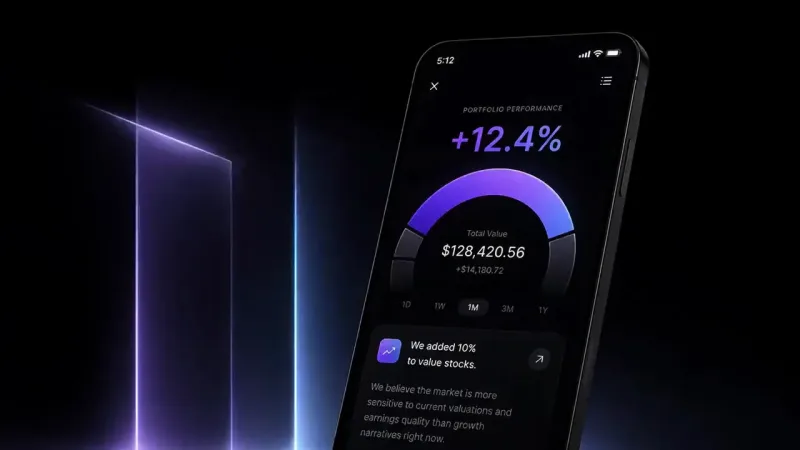
Irresistible products are deliberate, never accidents. They start from a sharp human truth, remove friction so progress feels effortless, create real emotion, and deliver value worth returning to. They pull people into flow until the interface disappears.

Product design becomes sexy when you rebuild neglected categories, not when you decorate them. CRM, ERP, tax, and PropTech were never boring. They were starving for design. Fix the experience and you create relief, give people time back, and turn compliance into confidence.

The best design disappears. It becomes so natural and inevitable that you stop noticing it, and only the feeling remains: effortless, fluid, alive. Invisible design is not the absence of design.
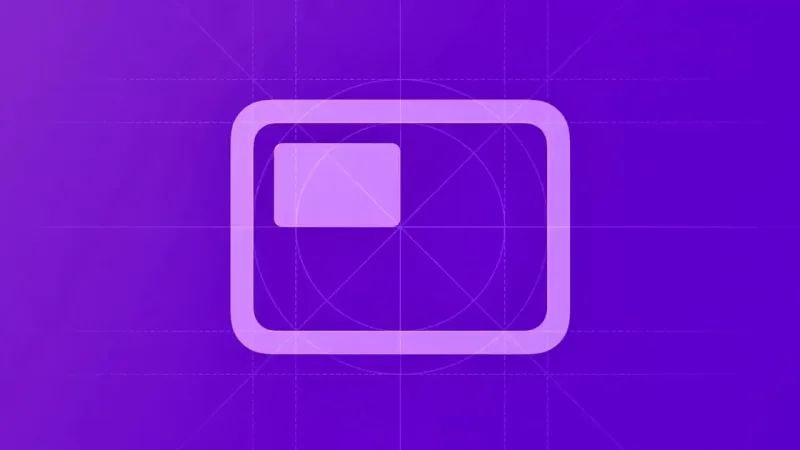
A startup does not need a design system on day one. It needs taste. Systemizing too soon mistakes consistency for quality, and a lifeless system only scales lifelessness. Start with a point of view, uncompromising decisions, and one flow crafted until it feels inevitable.
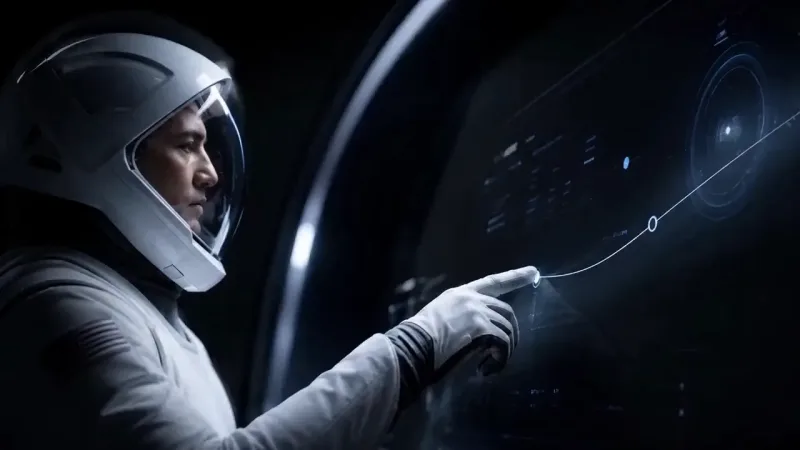
UI and UX are not two jobs. They are one mission. Splitting beauty from usability breaks the product. Real design is a single act of authorship where layout, motion, language, and emotion are shaped as one system. The best designers own outcomes, not screens, and build trust end to end.
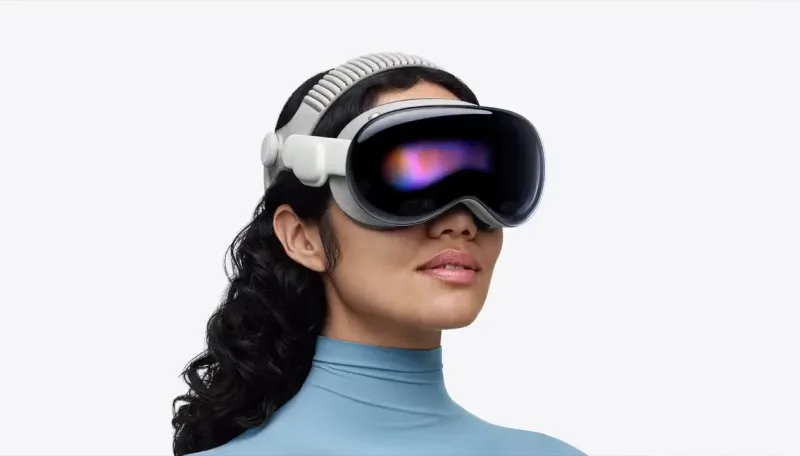
Average product design disappears. To be impossible to ignore, design with intent, not volume. Make every pixel earn its place, give the product a personality that lands immediately, and design for emotion over specs. Safe is invisible.
A manifesto for building products people love - exploring belief before features, the discipline of simplicity, and why craft is business strategy.
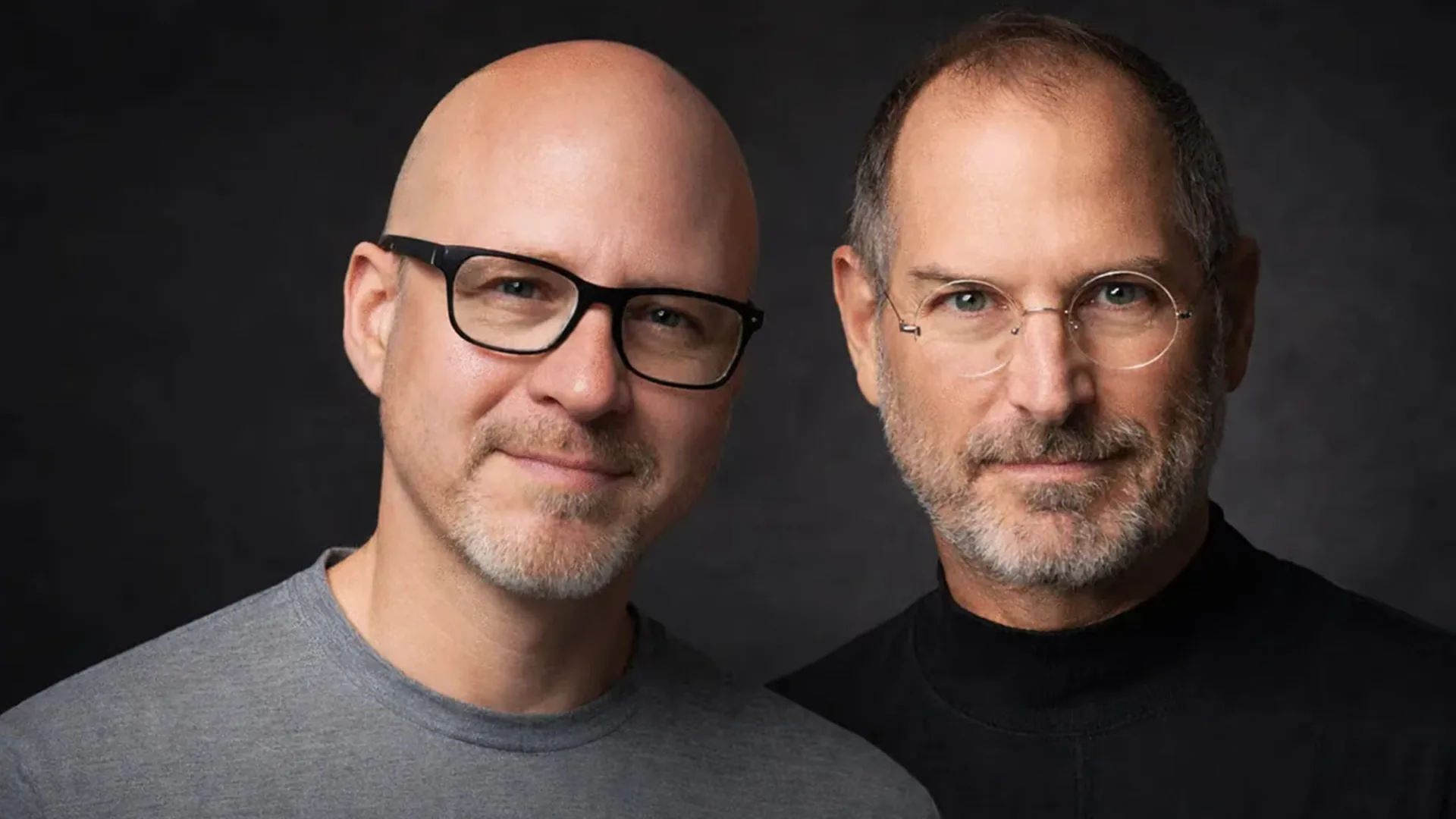
WWDC 2007. Apple Store enterprise demos worldwide, from London to Tokyo. Consumer-grade clarity. Enterprise-grade trust. The standard stuck.
Invisible UX is the next era of AI: intelligence woven so cleanly into a product that it never announces itself. It arrives at the right moment, does the work, and disappears. The winners will not show off the most AI. They will make AI feel like an invisible layer of competence.
Minimalism still wins because it gives exhausted users relief. As AI layers, settings fatigue, and feature creep make products louder, the ones people love stay quiet. Apple did not invent restraint, it turned restraint into luxury.
Design is not what happens after you decide what to build. It is how you decide if something is worth building at all. Design is discovery. It puts the idea in your hands early, makes confusion obvious, and turns uncertainty into something you can test.
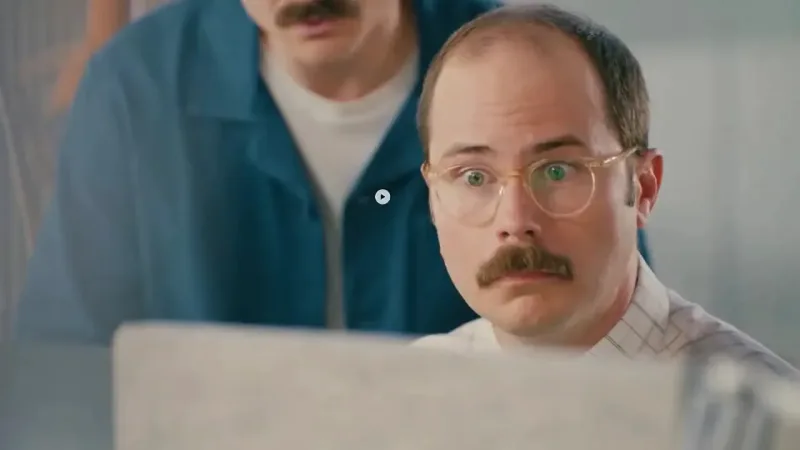
No, AI cannot replace human creativity. AI does pattern work. It remixes and regenerates what already exists. Creativity is the human act of turning experience into meaning: intuition under pressure, taste formed over years, and the courage to make something that might fail.
Negative space is presence, not absence. It guides attention, reduces cognitive load, and makes intent obvious. The gaps between elements are designed decisions, not leftovers. Restraint signals confidence, builds trust, and makes a product feel premium.
Mood boards feel like progress but mask the absence of hard decisions. They offer aesthetics without accountability while users live inside reality. Build prototypes, not posters. Design the form field, the loading state, the error message.