
The Blueprint for the 100x Developer
My agents could edit their judge. I start there, then show the assignment, review, and acceptance record I would require before claiming a gain.
The Machine Speaks
Published articles tagged AI Orchestration, listed newest first. Usually filed under AI Engineering.
The count includes the article cards across the pages below.
My agents could edit their judge. I start there, then show the assignment, review, and acceptance record I would require before claiming a gain.

The strategic question stopped being which model and became which routing. Every serious AI company is becoming a router: each task goes to the cheapest model that passes the verification gate, frontier models earn the hard work by exception, and governance lives at the routing layer. Model choice is a portfolio now, not a marriage.

In a small Orbyt trial, the team found more evidence but resolved fewer briefs. I use that failure to define what a task must pass before I add agents.

An external heartbeat caught the agents and alarms that never started. I would make every scheduled delivery and missing checker visible to its owner.

A guard reverted three concurrent edits. Its repair shows where ownership has to become a file level rule.

If nine people agree, the tenth must argue the other side. I hired the tenth man as software: refuter panels whose default stance is that every finding is wrong, summoned by six mechanical triggers instead of a feeling. Agreement is now the most suspicious thing my company produces.

Prompt engineering optimized a sentence. Context engineering governs everything a model sees, and I measured what that actually costs: across 35 sessions, my agents read 285 times more context than they wrote, with the average turn re-reading 504,141 tokens. The written artifacts agents consume every turn are source code now. Version them, test them, and budget them like it.

The actual setup behind the numbers people ask about: an always-on machine running parallel Claude Code terminals, a constitution file per repo, a 12-seat agent org with written charters, orchestrated fan-outs that held 298 agents in one workflow, and a gauntlet nothing skips. Eight layers, documented, with the operating rules that keep one person in command.

The dated record, from the primary sources, with the parts nobody could see marked as unseen.

A swarm of agents is emergent, anonymous, and spectacular in a demo. A legion is chartered, capped, attributed, and accountable, and it is what actually ships. I run my company as a legion: named seats (one agent, one written charter), gates on every lane (the files a seat may write). The Romans beat bigger hordes with smaller numbers for four centuries. Formation beats enthusiasm.

Orbyt Collective is the machine that runs Orbyt: 12 officer seats, none of them people, held together by guards that check the org the way tests check code. The org is not managed. It is versioned, audited, and promoted on evidence. Here is the machine, part by part.

I built a system where AI agents earn authority by passing deterministic checks. It took an outside model one afternoon to point out that the agents can edit the checks.
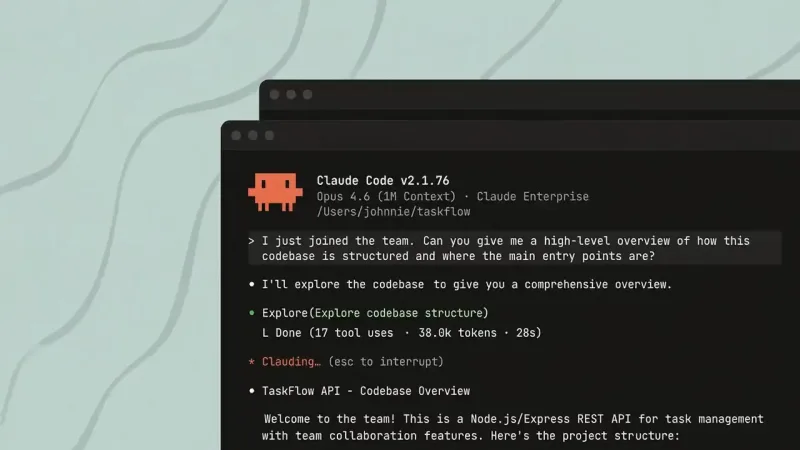
A stack of Claude Code windows, one operator, a production SaaS. By day three the agents were never the constraint. I was.