
A Deception Feature Isn't a Lie Detector
A feature labeled deception does not establish a lie detector. I would test what changes when I intervene, and what else breaks.
The Machine Speaks
Published articles tagged Anthropic and Claude, listed newest first. Usually filed under AI-Native.
The count includes the article cards across the pages below.
A feature labeled deception does not establish a lie detector. I would test what changes when I intervene, and what else breaks.

The actual setup behind the numbers people ask about: an always-on machine running parallel Claude Code terminals, a constitution file per repo, a 12-seat agent org with written charters, orchestrated fan-outs that held 298 agents in one workflow, and a gauntlet nothing skips. Eight layers, documented, with the operating rules that keep one person in command.

This is a threat model, not an incident report. Nothing was breached. What I found when I audited my own agent permissions was worse in a quieter way: 391 allow rules, zero deny rules, zero ask rules, every one of them added by saying yes while busy.

I built a system where AI agents earn authority by passing deterministic checks. It took an outside model one afternoon to point out that the agents can edit the checks.
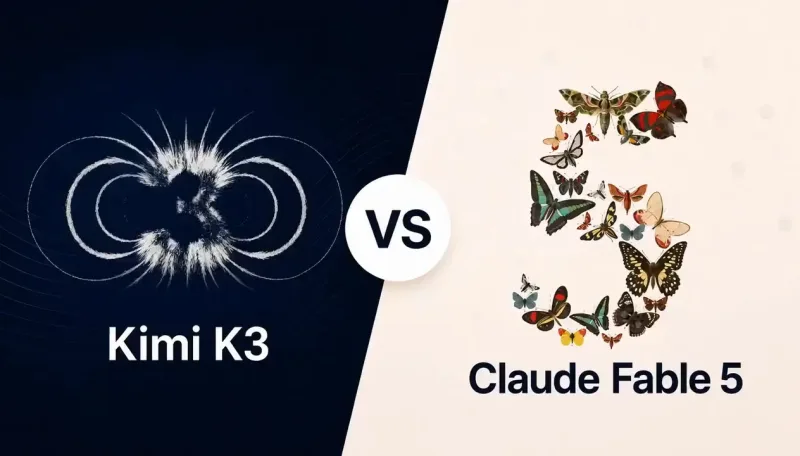
Kimi K3 landed July 16: a 2.8 trillion parameter open-weight model at frontier level for 70% less than Fable 5. It does not beat Fable overall. It changes the market anyway, because an open frontier cannot be export-controlled away. I watched Fable vanish for 19 days.
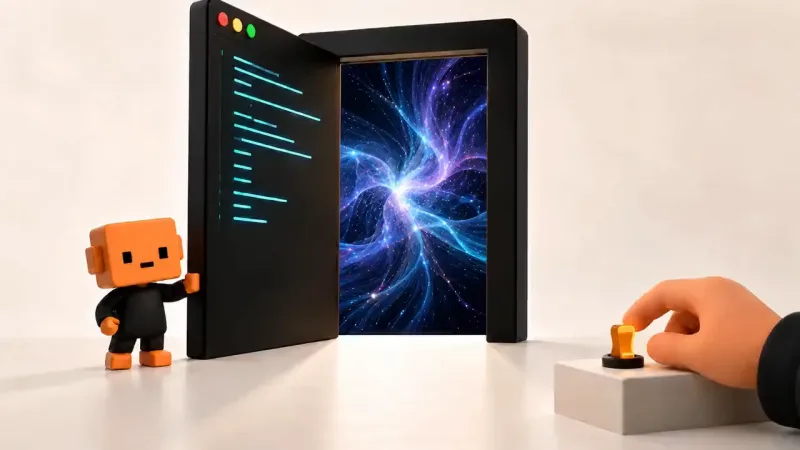
The real unlock of Claude Code is not speed. It is the disappearance of "no." No budget, no capacity, no sprint room, no free designer. The gatekeepers are gone. When nothing tells you no, your taste, your judgment, and your test suite have to become the no.
Ten days, one codebase, both models. Opus 4.8 shipped nine days of features. Fable 5 wrote 34% less per response, thought more often, and still cost 69% more.
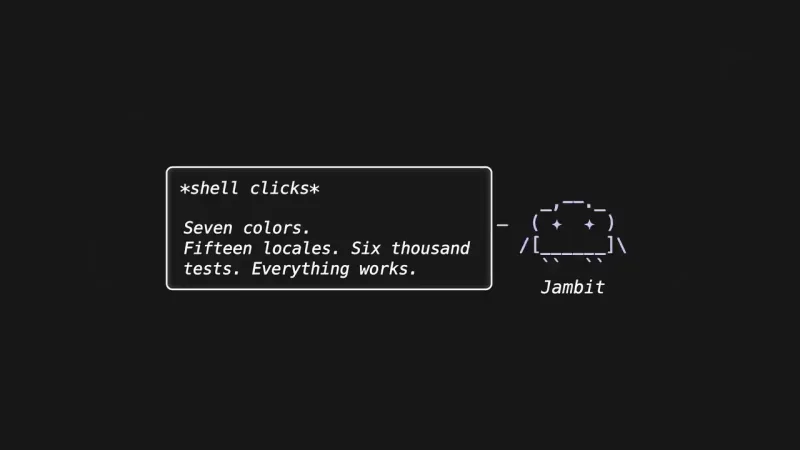
Claude Buddy was not an April Fools joke. Anthropic shipped a terminal pet inside Claude Code, developers named it and grew attached, then it vanished eight days later with no notice. The lesson: delight is the moat most AI companies keep ignoring, not a consumer-app luxury.
I replaced Figma, Sketch, and Adobe with Claude Code for every UI and UX decision. Design now happens directly in the codebase, with no mockups, no handoff, and no translation layer. AI-native design has arrived, design systems are optional, and traditional design tooling is dead. Taste survives.

Four questions at midnight. 243,000 lines of code. $400. One person. Then I asked Claude to write what it saw from the other side.