
Nobody Pays You for the Code Anymore.
Generation made features cheap to produce, so a line that names a feature names something a competitor copies this weekend. The lines that hold name a commitment you will defend.
The Machine Speaks
Published articles tagged AI Native Product Development, listed newest first. Usually filed under AI Product.
The count includes the article cards across the pages below.
Generation made features cheap to produce, so a line that names a feature names something a competitor copies this weekend. The lines that hold name a commitment you will defend.

No answer engine publishes how it picks citations, and most AEO statistics come from vendors selling AEO services. That does not make the work optional. It makes it an experiment.

The industries everyone calls too slow for AI, tax, fintech, healthcare, proptech, insurance, are built to win it. Governance, auditability, and data discipline are exactly what production AI demands. Move fast and break things loses where the stakes are real. Governed AI compounds.

AI drove the cost of competent to near zero, so average is now free, and free supply is worthless supply. The market is splitting into two states: best-in-class and free. The middle is being deleted. Best-in-class is the only defensible position left, and it is the only product worth shipping.
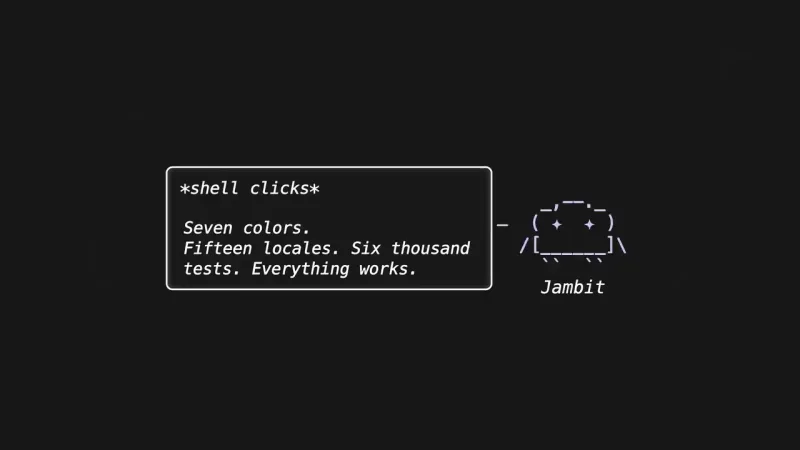
Claude Buddy was not an April Fools joke. Anthropic shipped a terminal pet inside Claude Code, developers named it and grew attached, then it vanished eight days later with no notice. The lesson: delight is the moat most AI companies keep ignoring, not a consumer-app luxury.
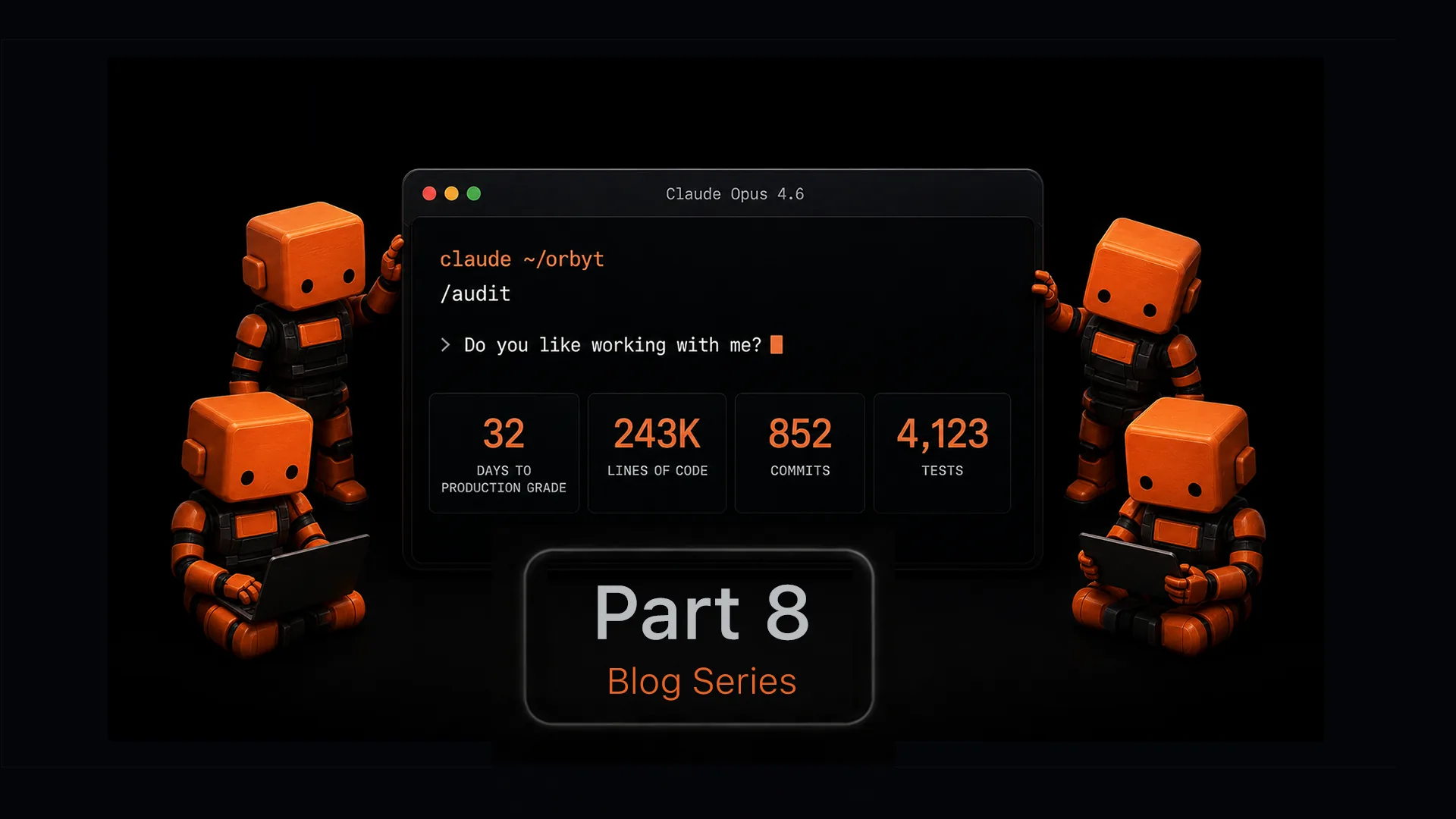
A Saturday at midnight, 22 endpoints in three hours, SSRF protection I did not ask for, and the moment Siri read my pipeline summary out loud in my office. This is how Orbyt became a platform.

AI governance is not what slows your product down. It is what competitors cannot copy. In regulated markets, governed AI ships faster because compliance is designed in, not retrofitted, and it sells easier because enterprise buyers trust auditable, explainable, overridable systems.

Most enterprise AI pilots never reach production because they succeed by avoiding reality. They run on clean curated data, zero integration, deferred governance, and hand-picked users. Production has none of that protection.
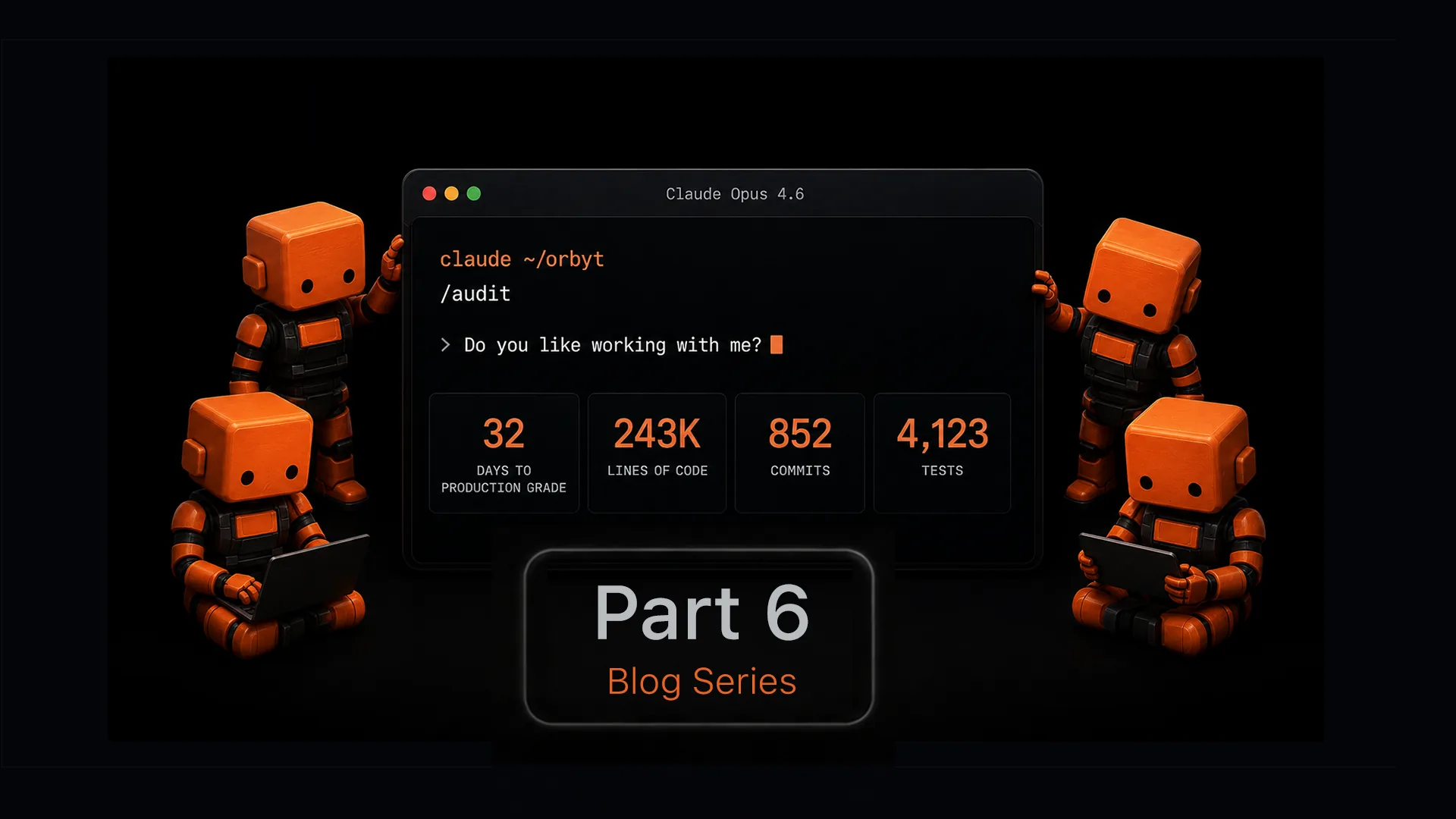
Free tools, four-tier pricing, the Unlimited plan debate, and why the funnel starts with generosity. The growth strategy of a solo founder with zero users and zero budget.

Most companies did not hire an AI Product Manager. They hired a traditional PM and added "AI experience" to the job description. That is the old role with a buzzword. The real AI PM governs probabilistic systems, designs boundaries instead of scope, and earns trust from zero.

Bolt-on AI adds features. AI-native rebuilds the foundation. When intelligence is the substrate, the entire product adapts to the user.

Human-in-the-loop is not oversight when a person rubber-stamps 200 AI outputs an hour in four seconds each. That is an alibi, not a safeguard.

Bolt-on AI ships fast, then compounds invisible debt. By the fifth feature, your team manages conflicts instead of building. Bolting AI onto an existing product creates four hidden debts: data mismatch, UX incoherence, governance fragmentation, and integration brittleness.

The job search has evolved from sticky notes to AI-native platforms. Trace the history and learn why 2026 is the inflection point for intelligent job search management.

Most AI roadmaps fail because they ship features instead of systems. When AI is layered onto legacy surfaces instead of architected into the operating core, adoption stalls and value fragments. The roadmap looks full. The impact stays thin. That is a failure of coherence, not ambition.

AI-native job search tools are built with intelligence from line one. Learn why they outperform traditional trackers and what this shift means for your career.
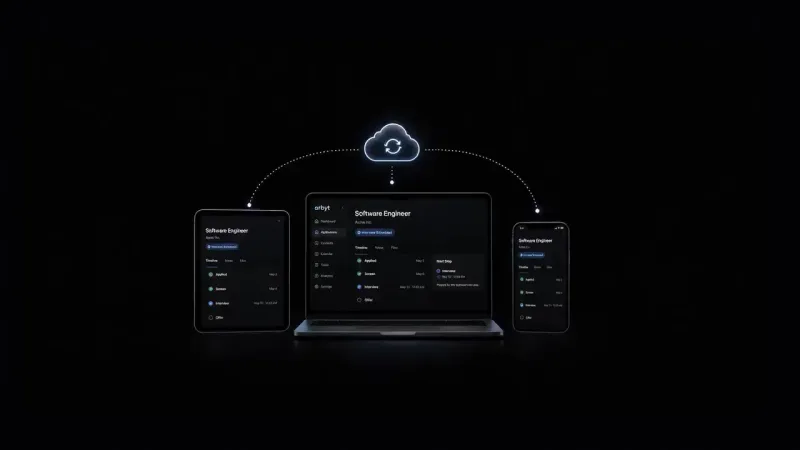
The case for cross-device sync in job search tools, and how real-time synchronization eliminates the frustration of single-device trackers.
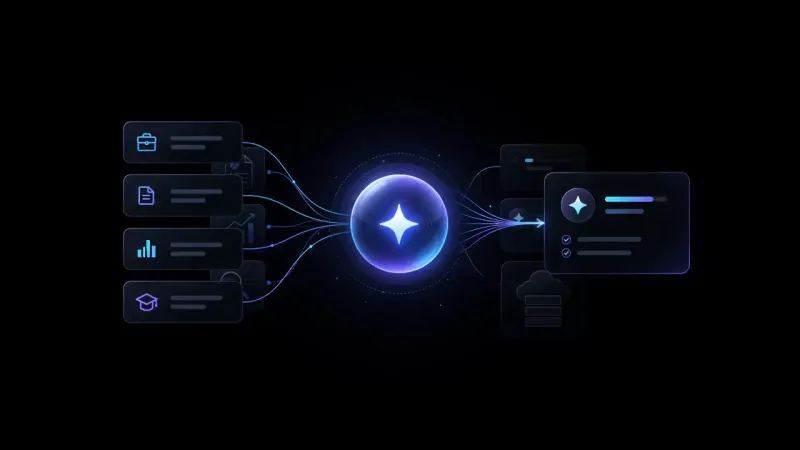
A plain-language explanation of how Orbyt's AI uses Retrieval-Augmented Generation to provide career advice tailored to your specific job search, not generic tips.

Why your career data deserves better protection than most AI tools provide, and how a privacy-first architecture keeps your job search data under your control.

The best AI products disappear. No chatbot, no "powered by AI" badge, no prompt box. They make the decisions a user would have made, at the moment they would have made them, without asking. The intelligence lives in what does not happen.

Taste becomes the only competitive advantage. Within eighteen months, every team has the same AI models, APIs, and infrastructure. Capability converges to commodity. When that happens, the experience is the sole differentiator, and the experience is shaped by taste.

Most AI products are capable. That is precisely the problem. Taste is what turns capability into something people trust.
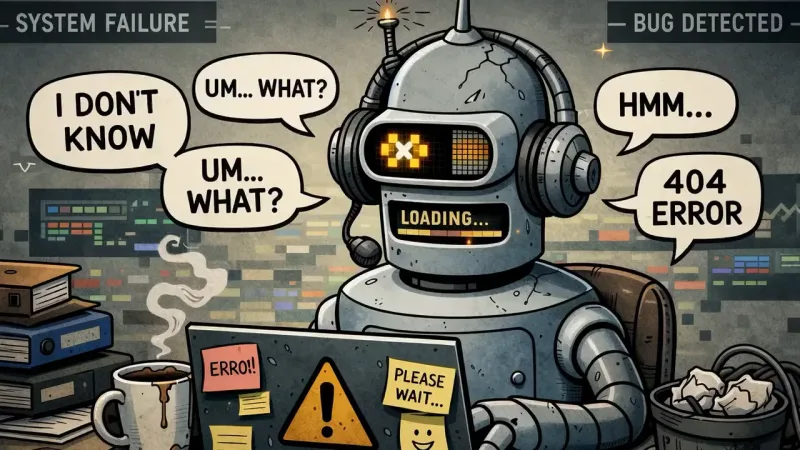
Most AI products are bad software with a chatbot bolted on. AI-native does not mean adding a chat panel or summary button. It means rebuilding the system so intelligence changes the work itself. You remove steps, move complexity into the system, and increase control instead of decorating the UI.

CRM OS started as Elements CRM and Gro CRM, two Apple-native startups, then grew into a multi-vertical operating system. We rebuilt object models, relationship graphs, and AI from first principles for HealthTech, FinTech, PropTech, Retail, Insurance, Professional Services, and Wealth Management.

Product design becomes sexy when you rebuild neglected categories, not when you decorate them. CRM, ERP, tax, and PropTech were never boring. They were starving for design. Fix the experience and you create relief, give people time back, and turn compliance into confidence.

Do not build a minimum viable product. Build the narrowest version that still carries the soul: one core user, one core job, one calm flow, and craft that signals respect. MVP got corrupted into an excuse for half-built work.

Invisible UX is the next era of AI: intelligence woven so cleanly into a product that it never announces itself. It arrives at the right moment, does the work, and disappears. The winners will not show off the most AI. They will make AI feel like an invisible layer of competence.