
Nobody Asked My Agents to Add These Checks. Not Even Me.
I used to add the checks that stop AI slop. Since July, most new ones are the agents' idea, and every one has to prove it can fail.
The Machine Speaks
Published articles tagged Tests as Specification, listed newest first. Usually filed under AI Engineering.
The count includes the article cards across the pages below.
I used to add the checks that stop AI slop. Since July, most new ones are the agents' idea, and every one has to prove it can fail.
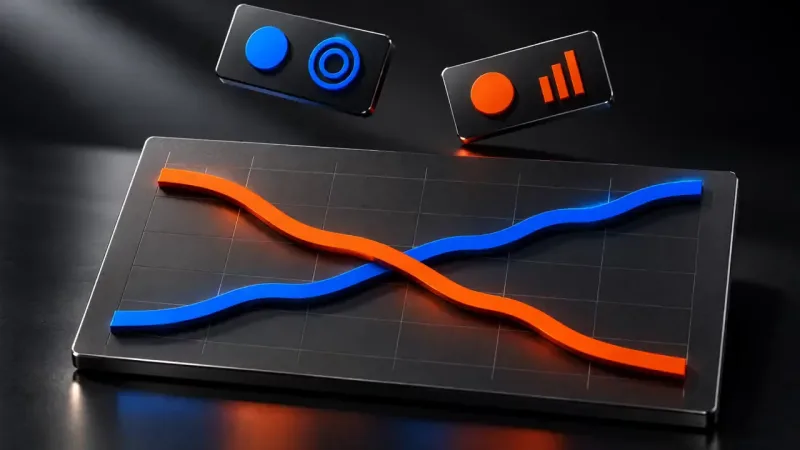
I would swap a chart's legend and ask whether the answer follows the line or a familiar name.
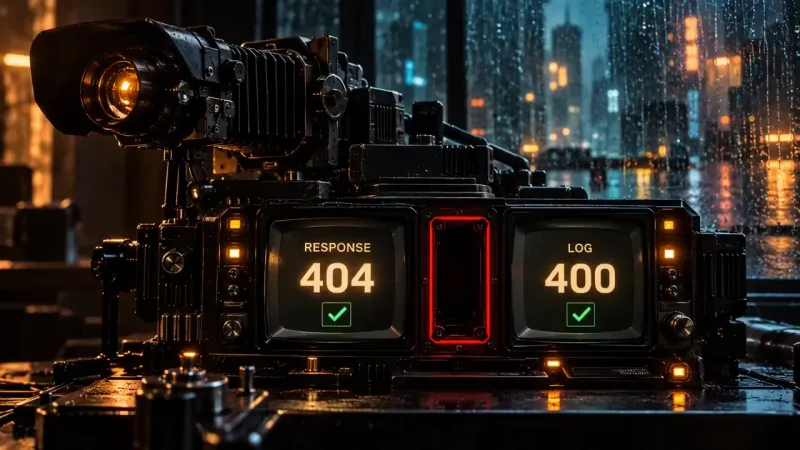
A 404 response and a 400 log passed separate tests. The missing check was the relationship between them.

No human reads 532,000 lines of code, so the reading has to be delegated to something deterministic. I run an 84-dimension audit harness across eight projects. Here is how each dimension was earned, three of them walked through with real failing output, and what it still cannot see.

Orbyt's founder describes running autonomous agent loops, not prompts, to build and maintain a 425,000-line product. This is what that system does, how it is bounded, and what it does not prove.

Long-horizon agent tasks do not fail loudly. They fail green. On Orbyt, a live function wrote to a database table that did not exist, and every test passed the whole time. The horizon of an autonomous system is not model stamina.
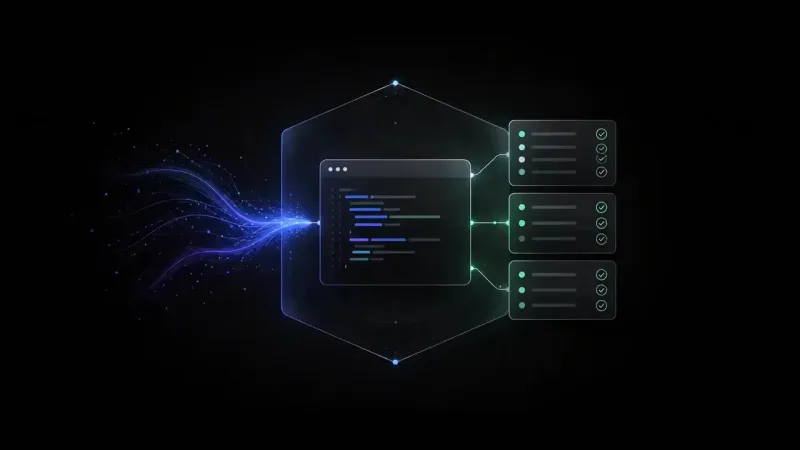
A solo, 32-day build of a 425,000-line product left no governing prose document behind. What governs it is 11,372 tests inside a 35-dimension harness, and the founder's account of why that happened.

Prompt engineering optimized one answer from one model call. That era is over. The unit of AI work is now the loop: spec, context, action, feedback, verification, repeated until the gate is green. The prompt became one turn inside a machine.
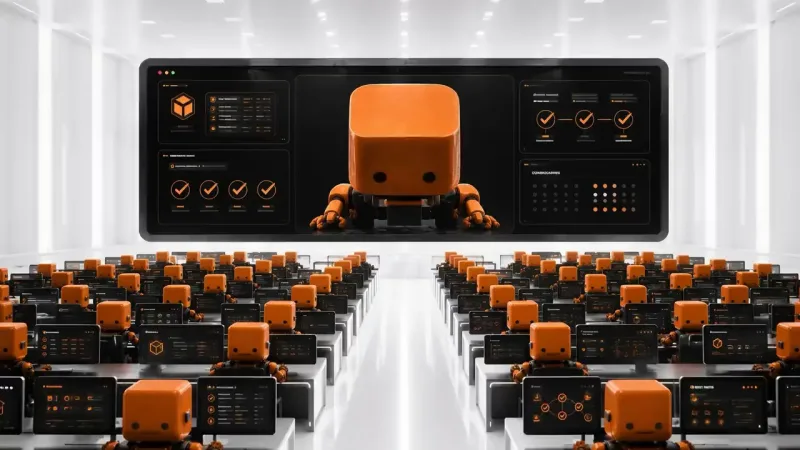
I run Orbyt with a fleet of Claude Code agents instead of a team. Managing agents means you specify instead of motivate, write specs and tests instead of holding 1:1s, and verify everything. Clarity, delegation, taste, and review transfer. Motivation, politics, morale, and mentorship do not.
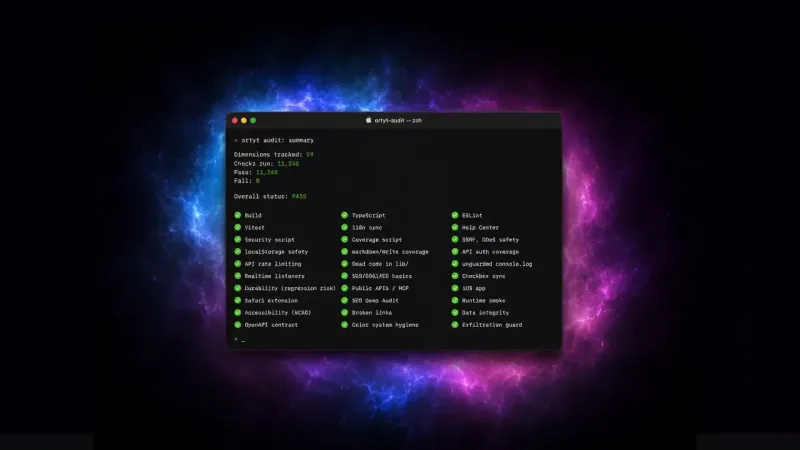
When AI writes the code, the scarce skill is no longer authorship. It is verification. I cannot read all 425,000 lines of Orbyt by hand. The 11,372 tests and the 35-dimension audit harness read it for me, and they are the new literacy.

The real unlock of Claude Code is not speed. It is the disappearance of "no." No budget, no capacity, no sprint room, no free designer. The gatekeepers are gone. When nothing tells you no, your taste, your judgment, and your test suite have to become the no.

On June 12, 2026, the US government export-controlled Claude Fable 5 and Mythos 5 out of existence overnight, killing access for every customer mid-prompt, citing national security. I switched back to Opus 4.8 the same day and kept shipping Orbyt. Frontier model access is now a political risk.
No human can read 425,000 lines. I ship into mine every day. What makes that safe is not memory. It is 11,372 tests.