
The Blueprint for the 100x Developer
My agents could edit their judge. I start there, then show the assignment, review, and acceptance record I would require before claiming a gain.
The Machine Speaks
Published articles tagged Build Metrics, listed newest first. Usually filed under AI Engineering.
The count includes the article cards across the pages below.
My agents could edit their judge. I start there, then show the assignment, review, and acceptance record I would require before claiming a gain.

Energy, water and money for one query, read off the primary sources with their dates. The boundary you draw changes the answer by more than a hundred times.

No human reads 532,000 lines of code, so the reading has to be delegated to something deterministic. I run an 84-dimension audit harness across eight projects. Here is how each dimension was earned, three of them walked through with real failing output, and what it still cannot see.
The first-party dataset behind AI-native development. 243,000 lines in 32 days for $400, now over 425,000 lines and 11,372 tests. Measured, dated, citable.

Long-horizon agent tasks do not fail loudly. They fail green. On Orbyt, a live function wrote to a database table that did not exist, and every test passed the whole time. The horizon of an autonomous system is not model stamina.

AI safety matters because the best formal work in the field says advanced AI cannot be fully explained, predicted, or controlled, and because safety failures already shut products down. A safeguard bypass took my builder model dark for 19 days. I run an AI-native company.
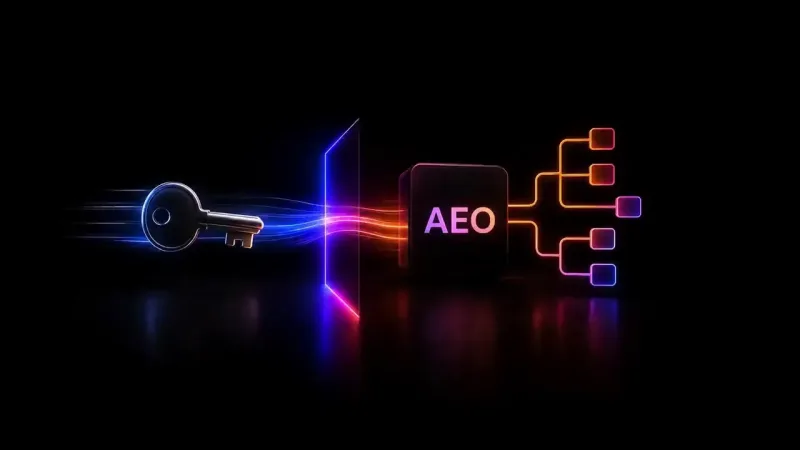
No answer engine publishes how it picks citations, and most AEO statistics come from vendors selling AEO services. That does not make the work optional. It makes it an experiment.
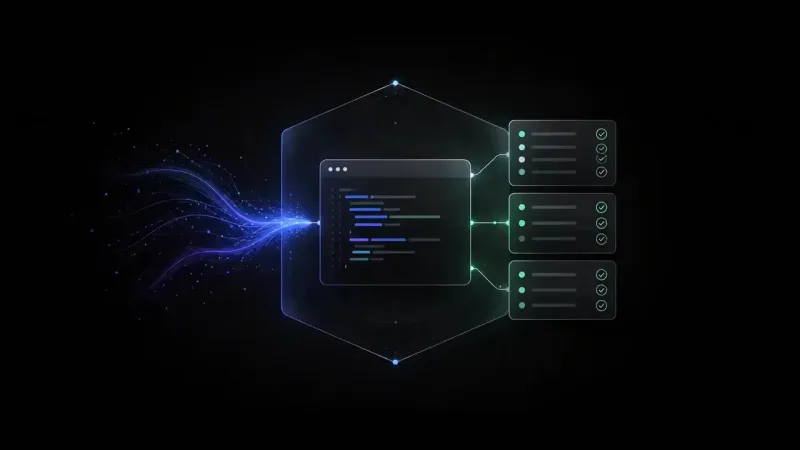
A solo, 32-day build of a 425,000-line product left no governing prose document behind. What governs it is 11,372 tests inside a 35-dimension harness, and the founder's account of why that happened.

Build vs buy is not dead. The calculus inverted. You used to buy because building was slow and expensive. AI collapsed both. The old buy-for-speed default is gone. The new rule is to build what compounds your edge and rent only true commodity.
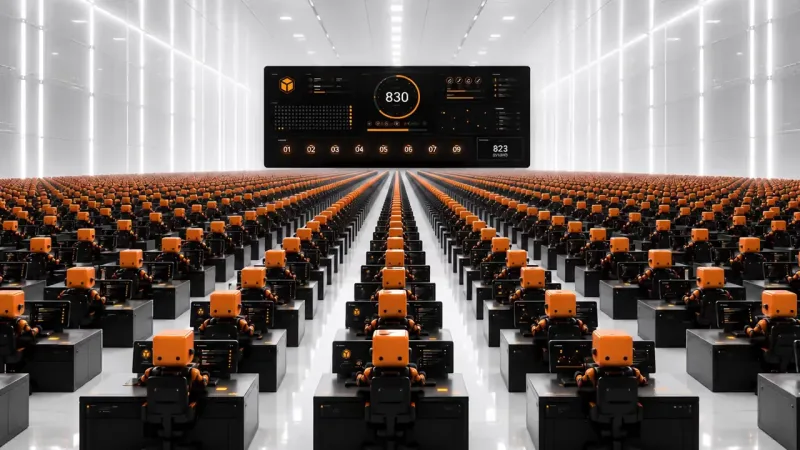
One working session on Orbyt spawned 830 AI agents across seven days. At its busiest instant, nine were running. The interesting number is the gap, and what it tells you about where the real constraint in long horizon agent work has moved. It is not compute. It is verification.

Per-seat pricing is not dead, but in AI-native categories it is on borrowed time. It still works for tool SaaS where a human logs in to do the work. When the software does the work, the seat stops measuring value, and usage and outcome pricing take over.

Prompt engineering optimized one answer from one model call. That era is over. The unit of AI work is now the loop: spec, context, action, feedback, verification, repeated until the gate is green. The prompt became one turn inside a machine.
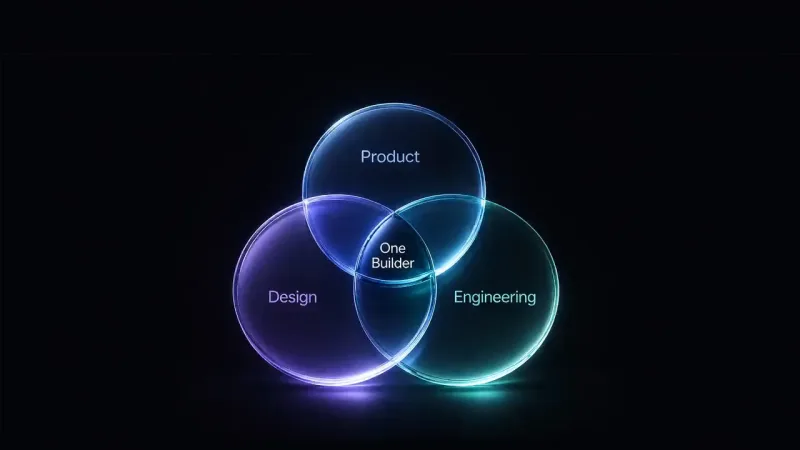
The AI-native builder holds product intent, design judgment, and engineering execution in one head and ships without handoffs. AI deleted the execution cost that forced specialization into three departments.
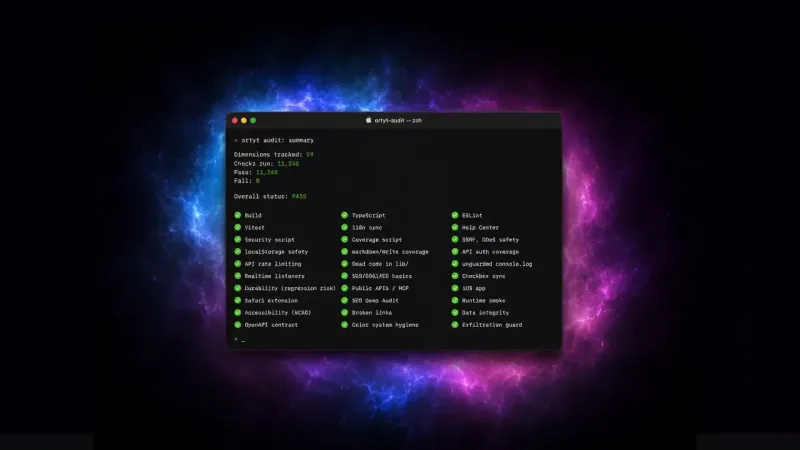
When AI writes the code, the scarce skill is no longer authorship. It is verification. I cannot read all 425,000 lines of Orbyt by hand. The 11,372 tests and the 35-dimension audit harness read it for me, and they are the new literacy.

When the cost of building collapses, velocity stops being a nice-to-have and becomes a structural moat. Speed compounds. Faster shipping means faster learning loops, and learning loops widen the lead like interest. Orbyt shipped 243,000 lines in 32 days and never slowed down.

AI collapsed the cost of execution, not the cost of knowing what to build or what good looks like. Twenty years of scar tissue plus AI beats a new grad with AI every time. Your domain expertise, taste, and judgment are not legacy. They are your highest-leverage AI multiplier.
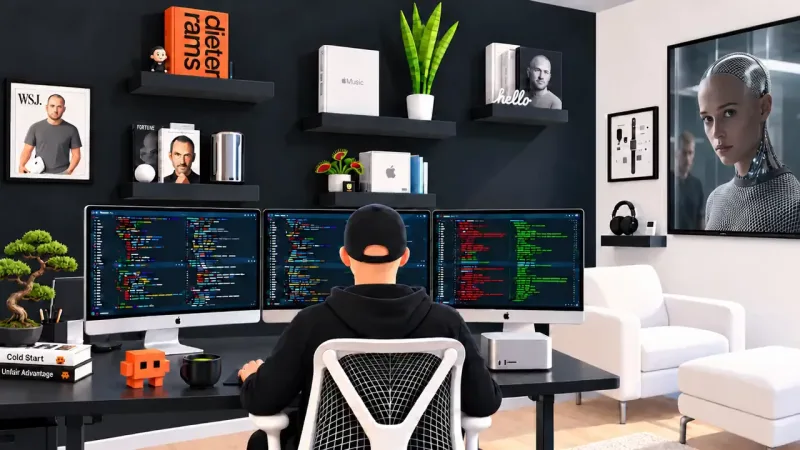
Tiny AI-native teams now out-ship incumbents. One operator with agentic tooling builds what used to take fifty people. Orbyt is the proof: production SaaS, solo, 32 days, about $400. Incumbents cannot match the speed, because their bottleneck is headcount and process, not talent.

The real unlock of Claude Code is not speed. It is the disappearance of "no." No budget, no capacity, no sprint room, no free designer. The gatekeepers are gone. When nothing tells you no, your taste, your judgment, and your test suite have to become the no.

On June 12, 2026, the US government export-controlled Claude Fable 5 and Mythos 5 out of existence overnight, killing access for every customer mid-prompt, citing national security. I switched back to Opus 4.8 the same day and kept shipping Orbyt. Frontier model access is now a political risk.

Ten days, one codebase, both models. Opus 4.8 shipped nine days of features. Fable 5 wrote 34% less per response, thought more often, and still cost 69% more.

AI drove the cost of competent to near zero, so average is now free, and free supply is worthless supply. The market is splitting into two states: best-in-class and free. The middle is being deleted. Best-in-class is the only defensible position left, and it is the only product worth shipping.
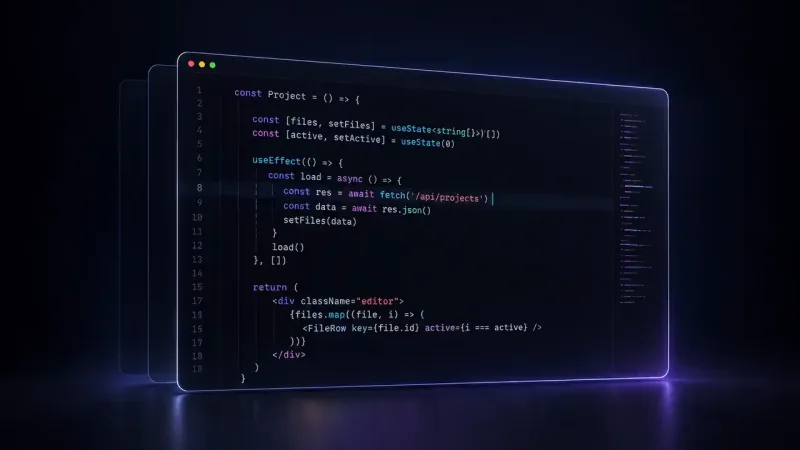
No human can read 425,000 lines. I ship into mine every day. What makes that safe is not memory. It is 11,372 tests.

Simple is the most expensive thing you can build, not the cheapest. Every clean surface is paid for in decisions someone refused to pass to the user. AI made adding nearly free, so the discipline to subtract now costs more than ever. Simple is a leadership cost, not a taste.

I replaced Figma, Sketch, and Adobe with Claude Code for every UI and UX decision. Design now happens directly in the codebase, with no mockups, no handoff, and no translation layer. AI-native design has arrived, design systems are optional, and traditional design tooling is dead. Taste survives.
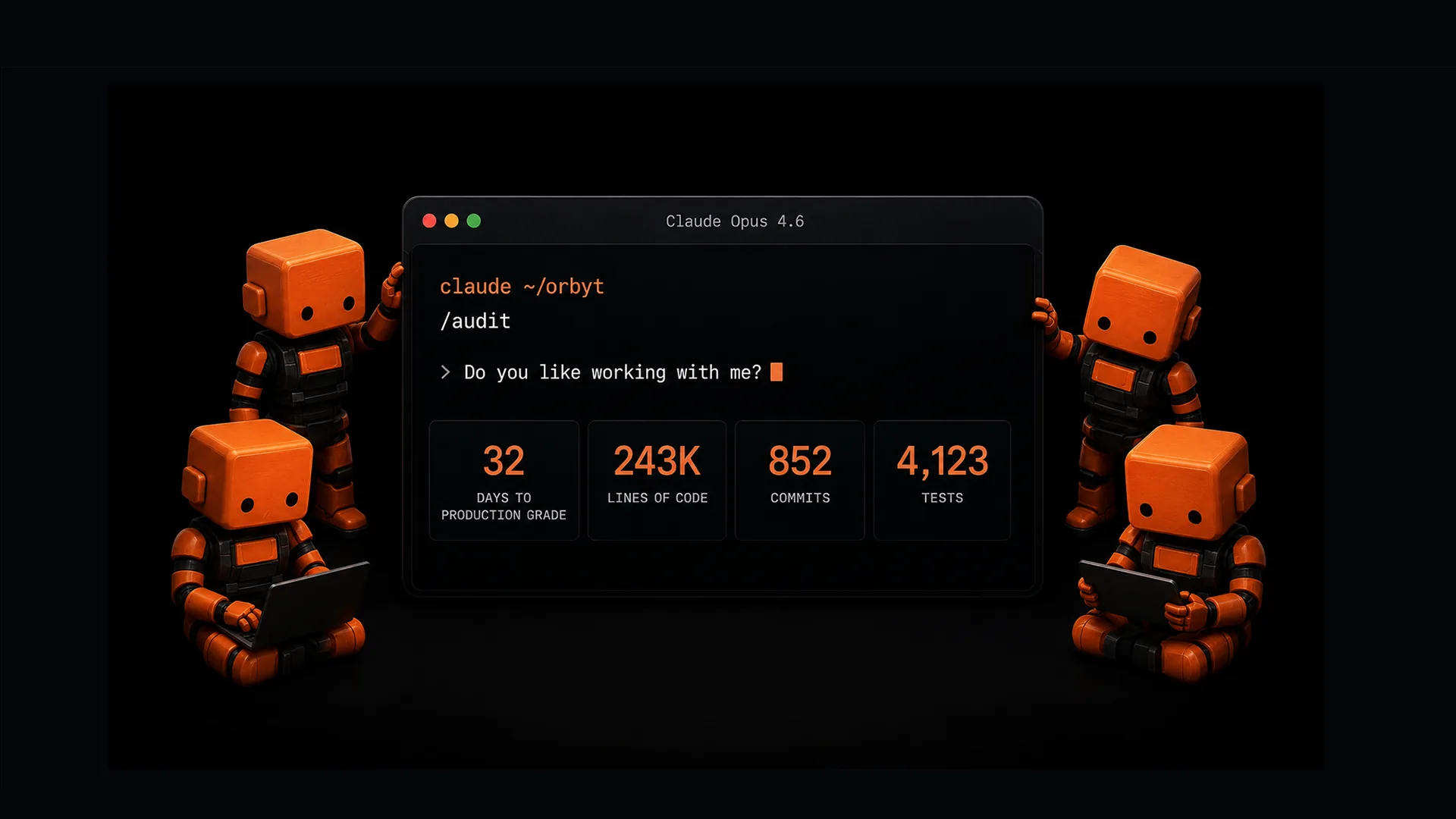
The unfiltered late-night conversation between a solo founder and his AI that sparked a multi-part series about building a production SaaS in 32 days.
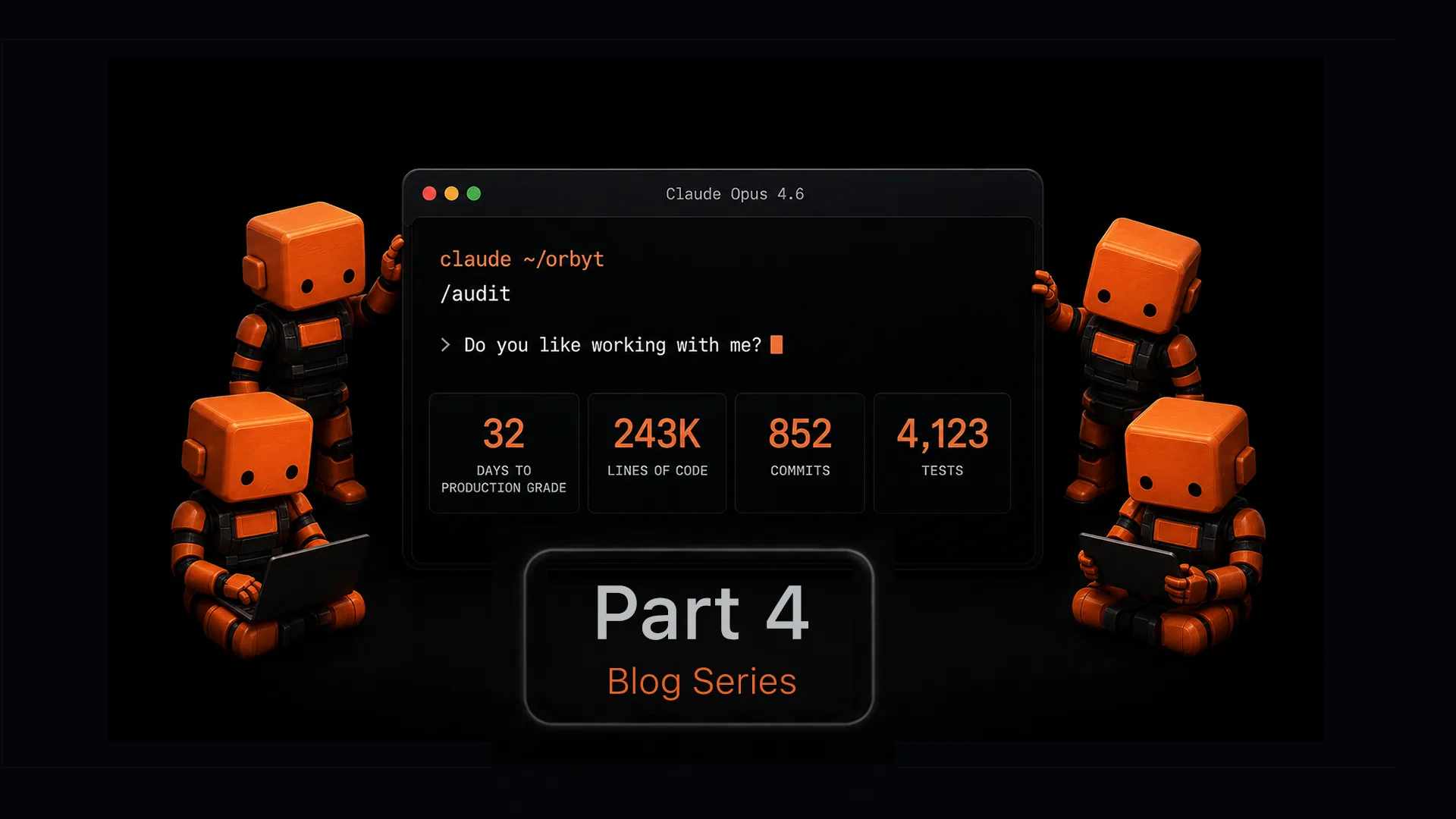
Every stat from building a 243,000-line SaaS in 32 days, broken down honestly. Lines of code, test coverage, commit history, token usage, cost, and the real AI multiplier.
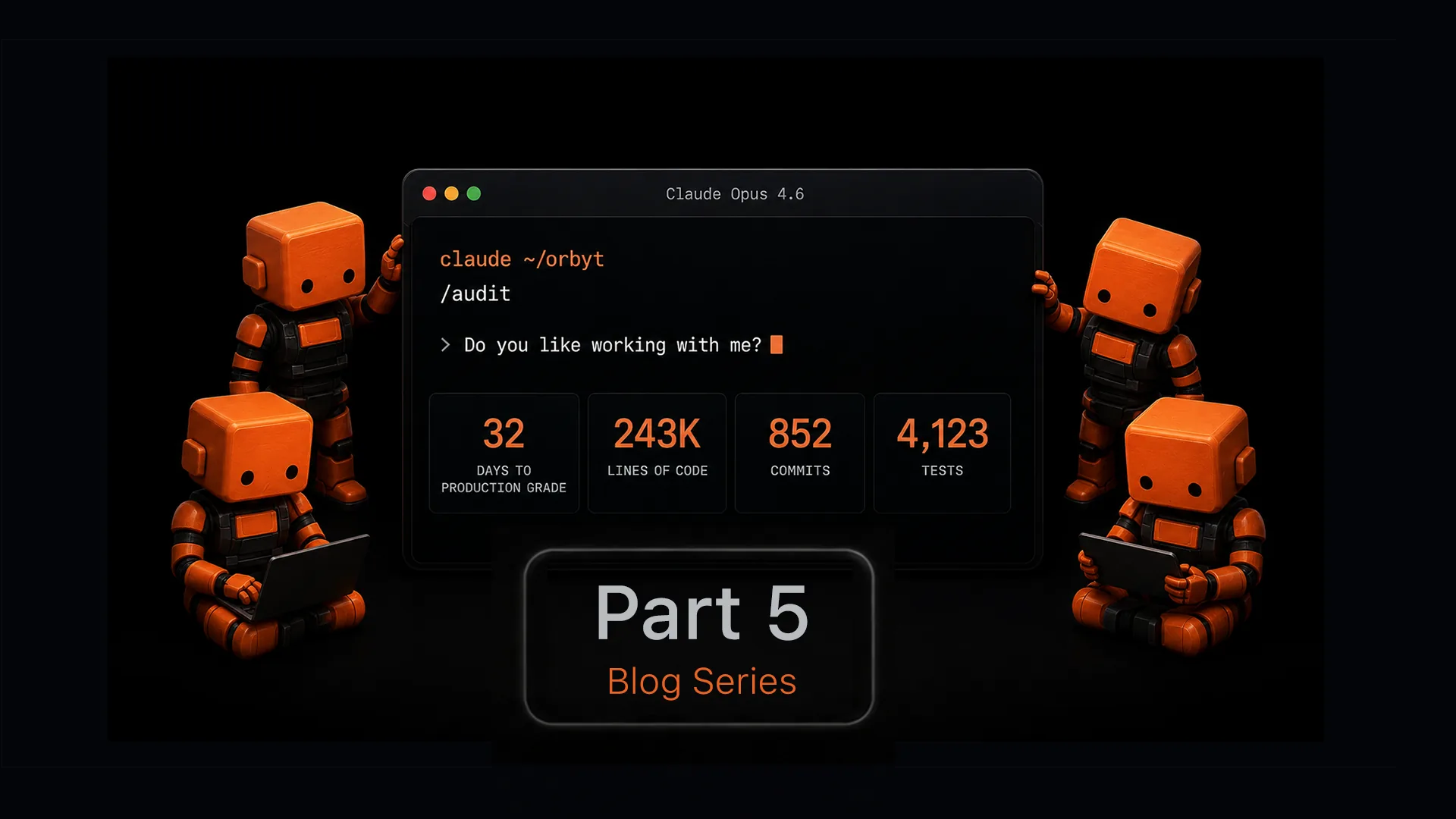
The raw, honest finale. 4am sessions, decision fatigue, the loneliness of building alone, the day I almost quit, and why I kept going anyway.
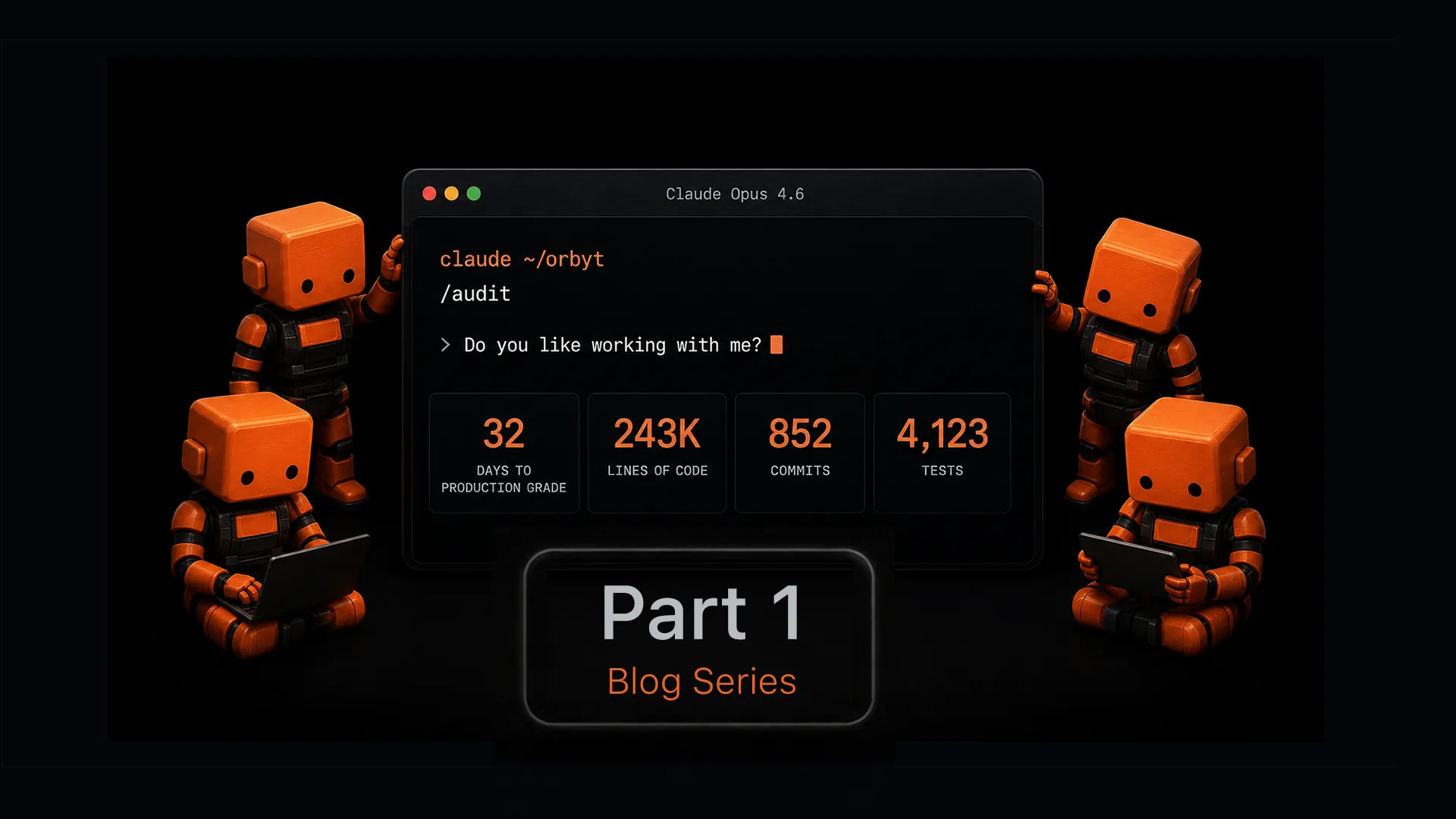
How one person built a production-grade SaaS with 243,000 lines of code in 32 days using AI agents as an entire engineering organization. Both perspectives: the human and the AI.
Four questions at midnight. 243,000 lines of code. $400. One person. Then I asked Claude to write what it saw from the other side.